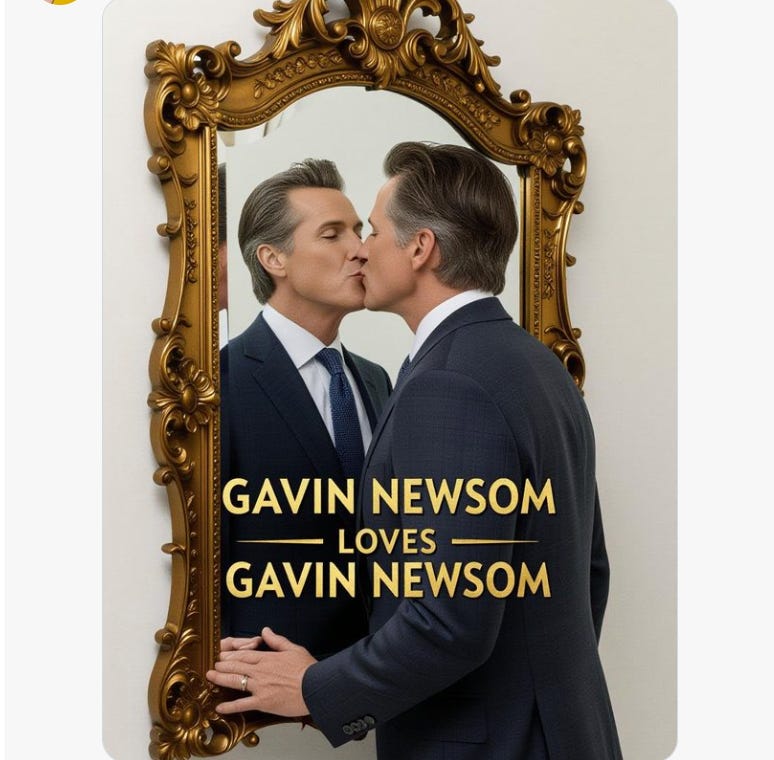
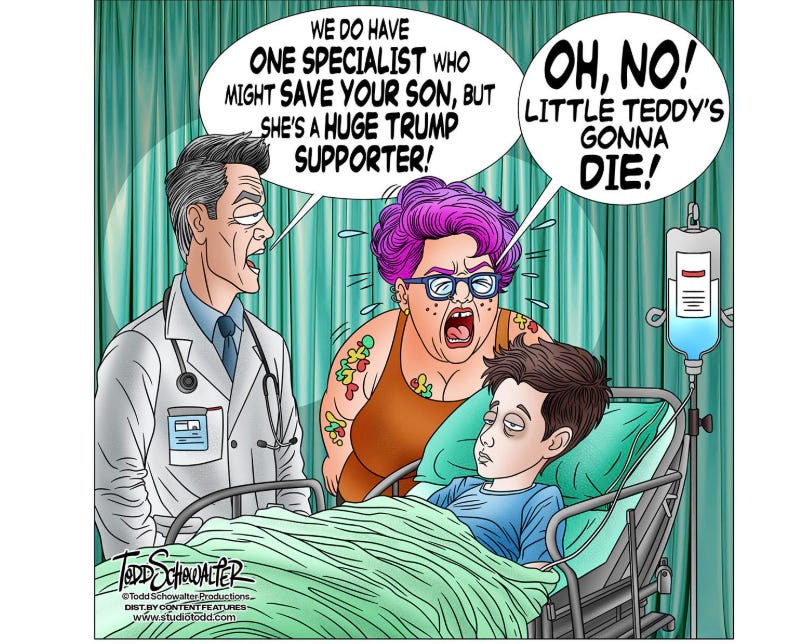
Because everything is public with politicians, this is what GROK had to say about Gavin Newsom’s “personal life” – that being his marriages, affairs, and divorce:
“Before entering the spotlight as San Francisco’s mayor, Newsom was involved in a few notable relationships. There were rumors of a brief fling with singer Jewel around 2005, though it was never confirmed.
His most prominent early relationship turned into marriage: He wed Kimberly Guilfoyle, a former prosecutor and TV personality (now known for her role on Fox News and engagement to Donald Trump Jr.), in 2001. They were often dubbed „the new Kennedys” by the media for their glamorous image and political ambitions.
The couple met in the 1990s through mutual friends in San Francisco’s social scene, and their wedding was a big event at a Catholic church.
However, their marriage hit rough patches, partly due to Newsom’s demanding mayoral duties starting in 2003 and Guilfoyle’s career pulling her to New York.
They separated in 2005 and finalized their divorce in 2006, citing the strains of bicoastal living.
Interestingly, they’ve remained on friendly terms—Newsom has even consulted her for political advice in recent years, despite their ideological differences.
The Affair and Post-Divorce Dating:
Shortly after his divorce, Newsom’s personal life made headlines again in 2007 when he publicly admitted to a brief affair with Ruby Rippey Gibney (then Ruby Rippey-Tourk), who was married to his then-campaign manager and close friend, Alex Tourk.
The affair happened in 2005 while Newsom was still married to Guilfoyle and serving as mayor. Rippey Gibney, who worked as his appointments secretary, later spoke out in 2018, saying the relationship devastated her marriage and led to personal struggles, including substance abuse issues.
Newsom apologized publicly, entered alcohol treatment briefly, and the scandal became a talking point in his later gubernatorial campaigns.
In the years following, Newsom dated a few women before settling down again. He had a short relationship with actress Sofia Milos in 2006, known for her roles in shows like CSI: Miami.
Then came Brittanie Mountz, a 19-year-old college student and restaurant hostess (sometimes described as a model), whom he dated from 2006 to 2007.
Their age difference (he was about 39 at the time) drew some media scrutiny, but it was relatively low-key compared to his other relationships.
Current Marriage:
Newsom met documentary filmmaker and actress Jennifer Siebel in 2006 at a fundraiser, and they married in 2008 in a ceremony at her parents’ ranch in Montana.
She’s since become California’s First Partner, advocating for gender equalityand producing films like Miss Representation and The Mask You Live In. They have four children.”
Trigger warning – the video below is rude and offensive.
But it is so well done – and the message is on point – so that I am including it.
Malone News is a reader-supported publication. To receive new posts and support my work, consider becoming a free or paid subscriber.
Secretary Kennedy is forced to play a rigged game – what the Senate has permitted is let one Senator with significant conflicts of interests to control HHS.
This is not right, not proper, not fair.
This is a rigged system that undermines genuine reform.
Yes, the Senate has the right to advise and consent to the president’s selection of cabinet members. However, Senate rules should not allow a single Senator to impose unreasonable demands on a cabinet member to secure confirmation; this undermines the authority of the President of the United States.
The Constitution outlines the separation of powers between the executive and legislative branches. These actions by Senator Cassidy are in breach of those powers due to Cassidy’s conflict of interest regarding the pharmaceutical industry.
Cassidy’s pharma ties, including campaign donations and lobbying dollars, as well as the BIO organization document linking Cassidy to their efforts to remove Sec. Kennedy raises legitimate questions about Cassidy’s influence in health policy, especially amid tensions with Kennedy’s HHS reforms.
It seems like there is an ethics violation here, and if not, it should be.
Lock me up and throw away the key, as I am posting another horrific, violent image:
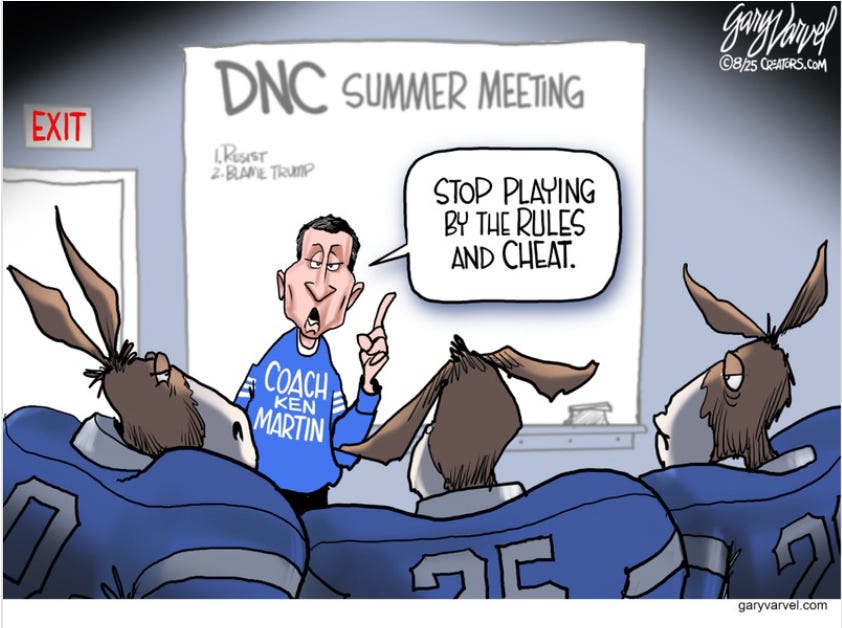
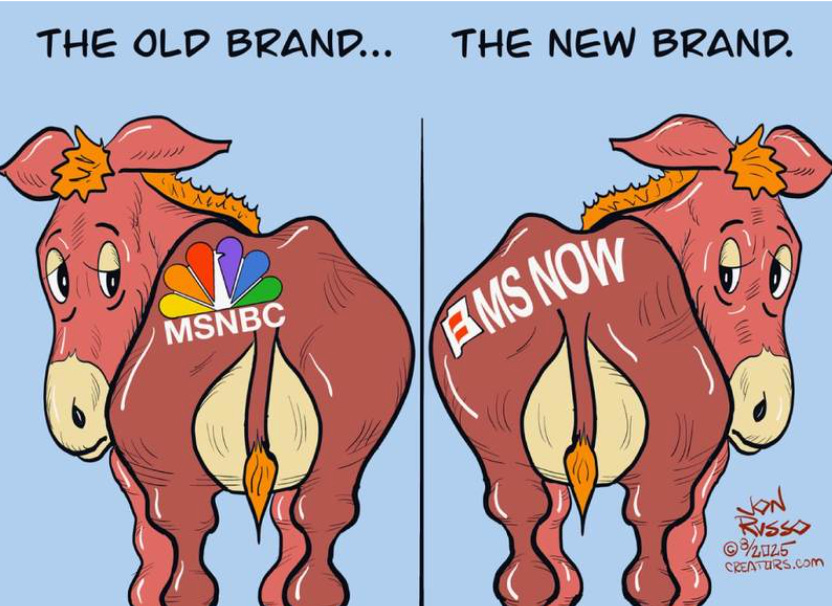
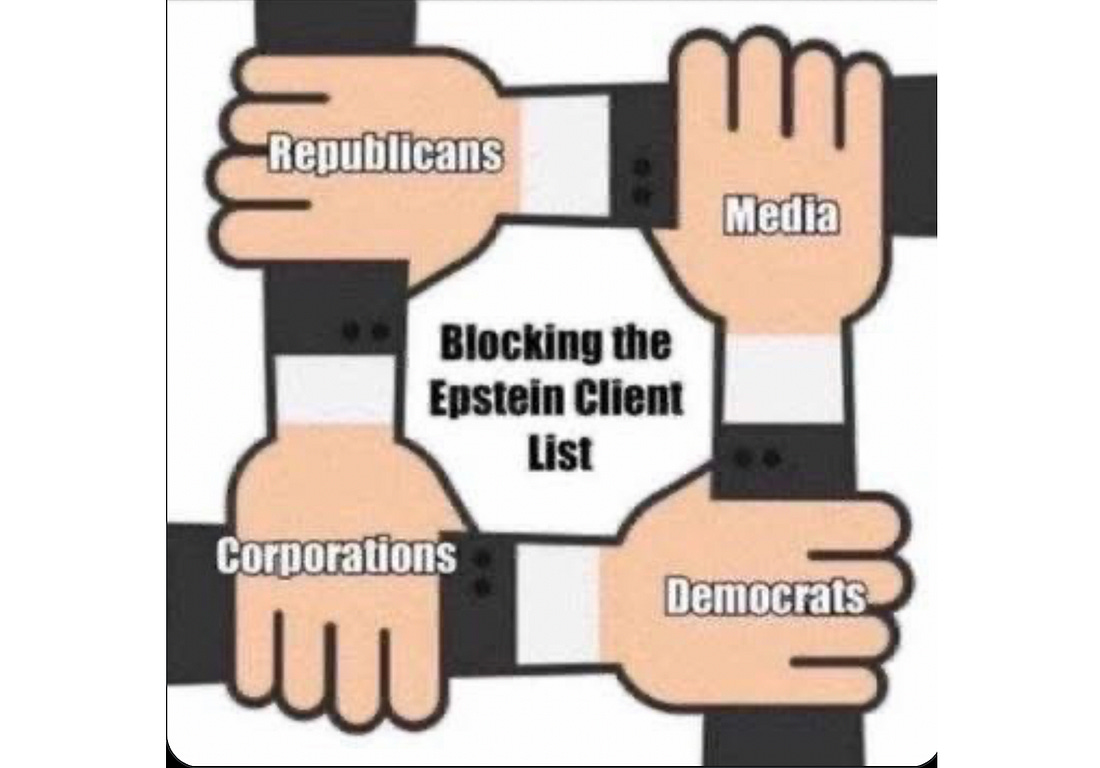
DNC = MSM
Has anyone else noticed how, in the latest CDC “kerfuffle”, as reported by mainstream media, the media conveniently left out the manipulated RSV data story that seems to have originated from the CDC?
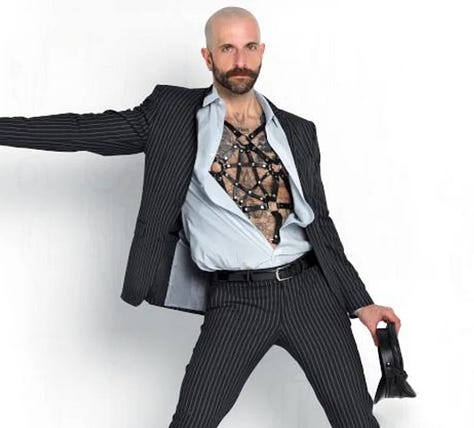
Also, they haven’t addressed the fact that one of the ex-employees, who resigned from the CDC, flaunted photos of himself dressed in what looks like bondage (S&M) gear on various dubious magazine covers after being hired by the Biden administration. These are magazine covers. Other photos from his old Instagram account are even more explicit. Now, what someone does in their private life – fine. I don’t want to know. But public health means promoting healthy behaviors.
How is it even possible not to cover these aspects of the firings and resignations?
As a sidebar, here are magazine photos of Dr. Demetre Daskalakas, who labels himself as the “Activist Doctor”, and was the “Senior Equity Advisor” (reporting directly to then CDC director Rochelle Walensky) during COVID, as he proudly displays his obsession with bondage as a badge of honor, during his tenure in the Biden administration. The CDC COVID picture during Biden/Harris is becoming clearer.
How was this employee in any way, shape or form fit to serve in the Trump administration – an administration working to Make America Healthy Again?
The children are watching.
“Activist Doctor” complains to the press that actual scientists are asking questions. Very interesting.
“The most valuable math you can learn is how to calculate the future cost of your current decisions.”
“Teach your children well”…
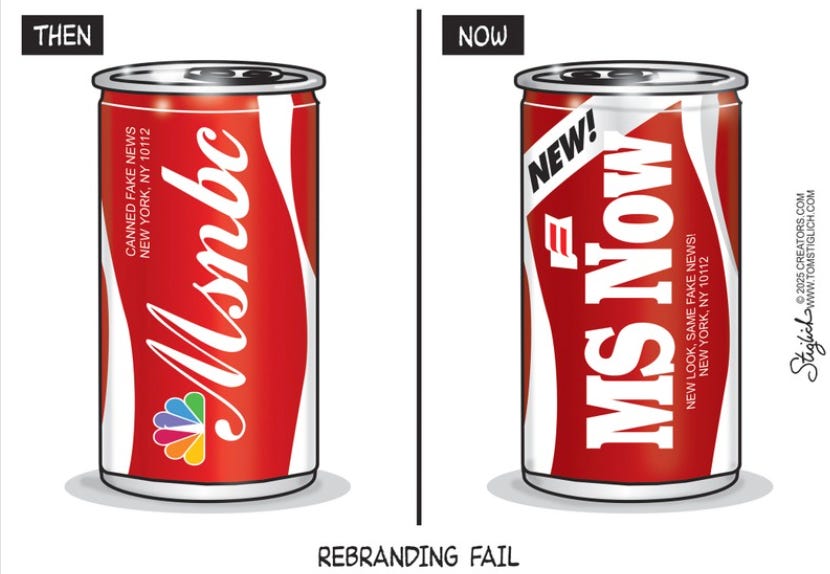
MS Now – Stands for “My Source News Opinion World”
Well, at least MS Now is admitting the elephant in the room, so to speak. What MSNBC and now, MS News do is spew their biased opinions of the news, not the news itself.
Going, going… gone.
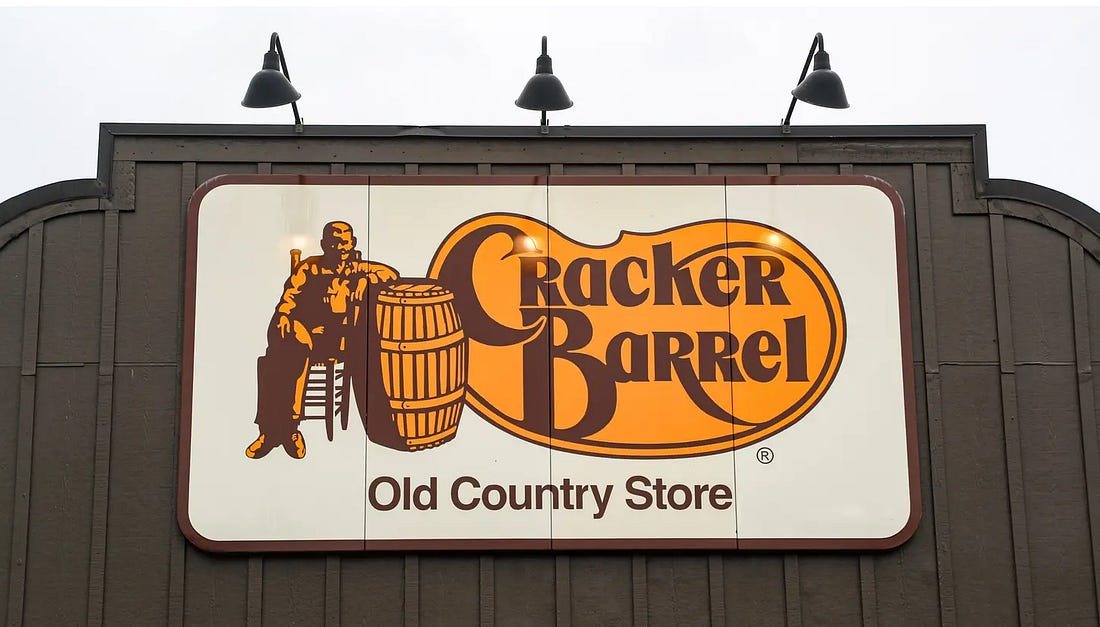
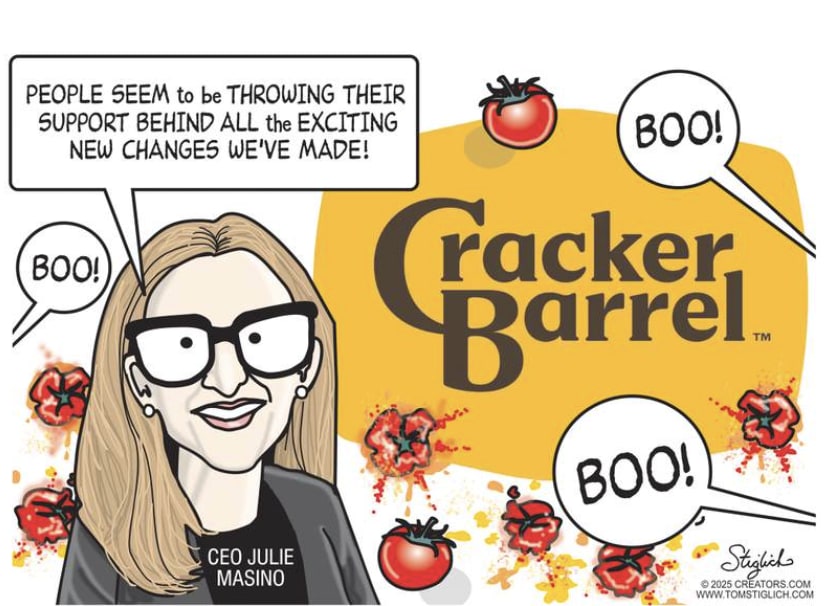
The “new” rebrand of the Cracker Barrel restaurant is topped off with an interior featuring white walls and the removal of what has been labeled as “kitsch.” Which the CEO believes will give them a “fresh look.”
But don’t worry, folks- they are adamant that they still intend to sell rocking chairs…
The end result of the media blitz: Cracker Barrel’s stock plummeted $94 million on Thursday.
Cracker Barrel CEO Julie Felss Masino, who by appearance is another liberal white female CEO – recently gave a devastatingly honest assessment of the restaurant:
“We’re just not as relevant as we once were.”
Something tells me this “rebranding” ain’t going to help!
OK- this one is pretty funny (and true).
Over in La-La land…
Malone News is a reader-supported publication. To receive new posts and support my work, consider becoming a free or paid subscriber.
This video raises a serious question… as to why bathroom scales no longer weigh ounces? Why did manufacturers change from ounces to tenths of a pound? What marketing genius decided that tenths was better than ounces (1/16 of a pound)? And why did we not notice or care?
Enquiring minds want to know, why did we all just accept this major change in our measurements without question and yet completely reject the metric system for common usage?
One can have empathy and still insist that our borders be respected.
True story. The above happened. It was real. Not made-up. We lived through this.
Ensuring that it never happens again – means that we can not forget and we can not let history erase the crimes that were committed in the name of public health.
Robert W Malone MD, MS Aug 16 · Malone News. TARCZYCA
Please read this important essay and then take action to protest this latest affront to logic and natural medicine from the FDA. FAERS data show natural thyroid is very safe. Fortunately, Dr. Marty Makary @DrMakaryFDA recently tweeted that „FDA is committed to pursuing the first-ever approval of desiccated thyroid extract, pending results of the ongoing clinical trials. In the mean time, we will ensure access for all Americans.’ Please help Marty overcome his own bureaucracy and support women’s health! And consider subscribing to my fellow MAHA advocate Sayer Ji’s substack!
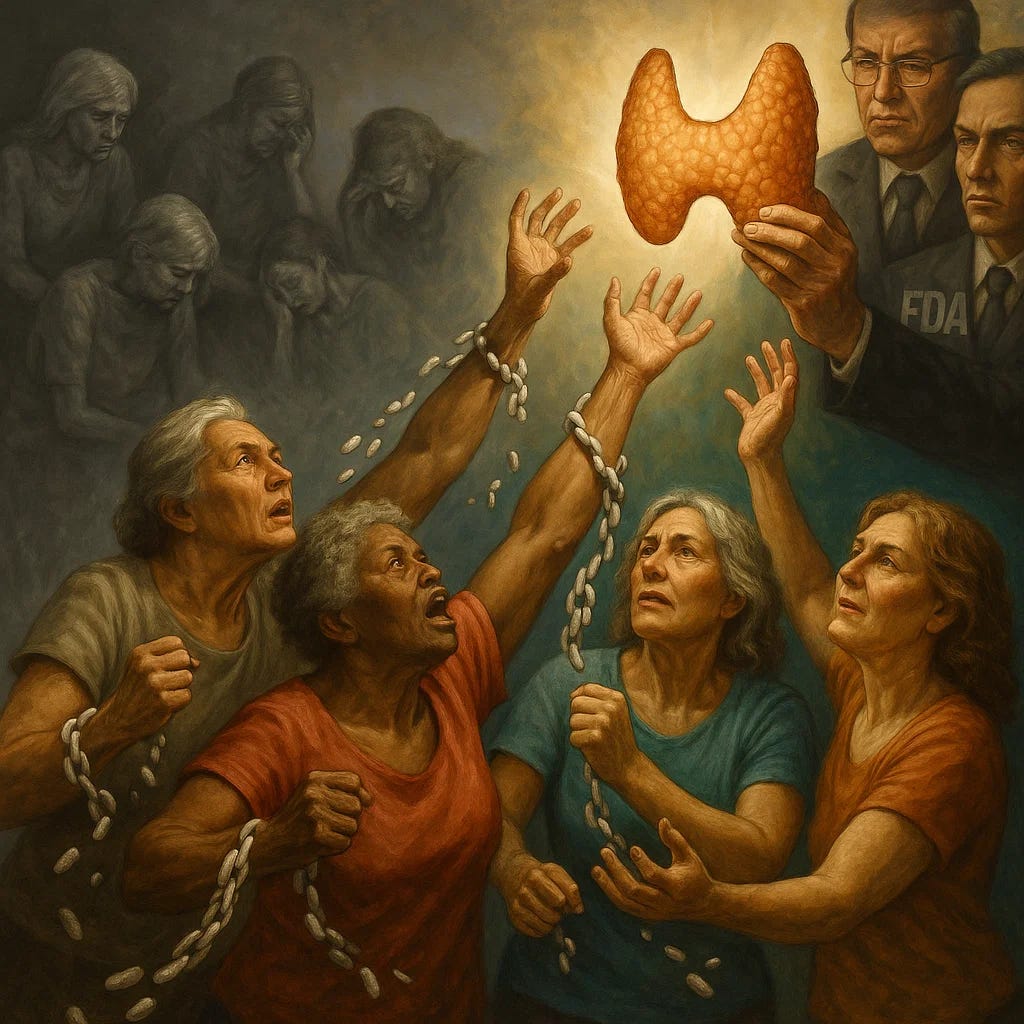
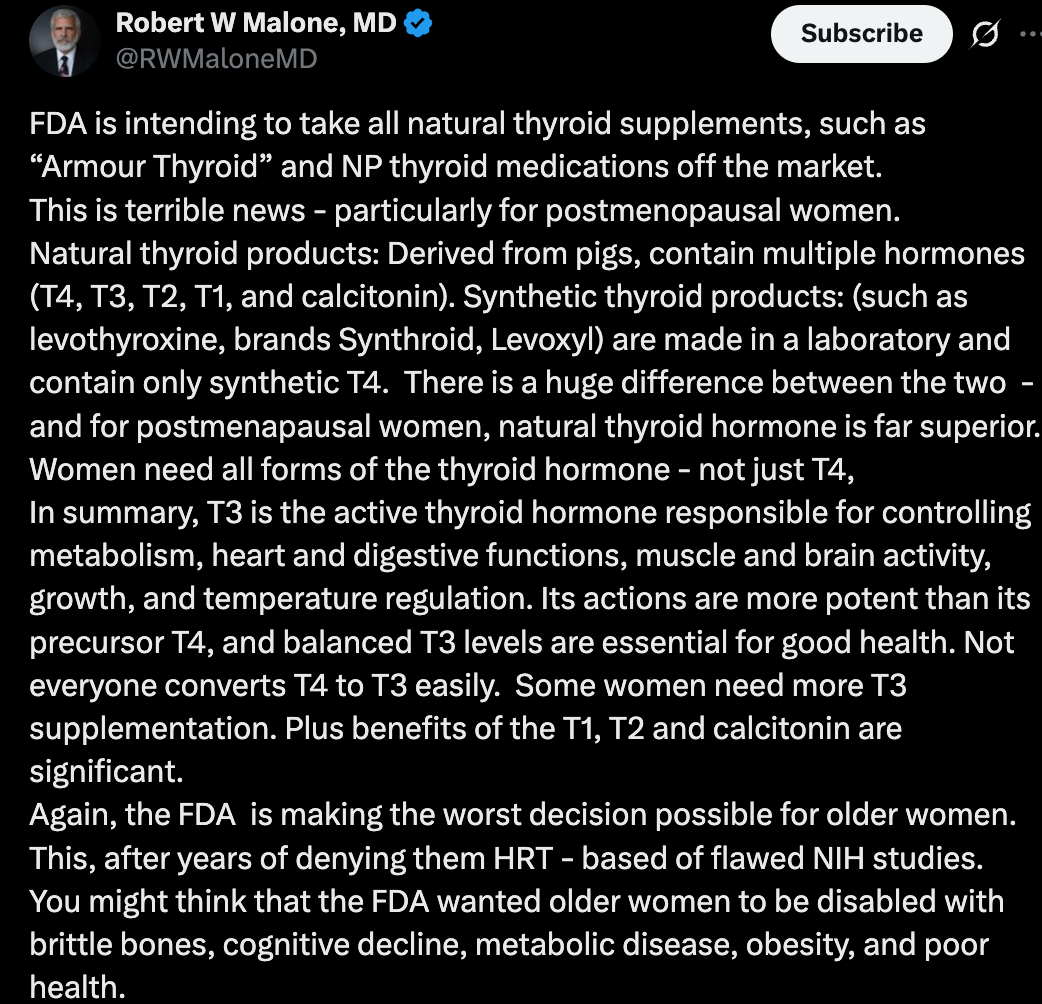
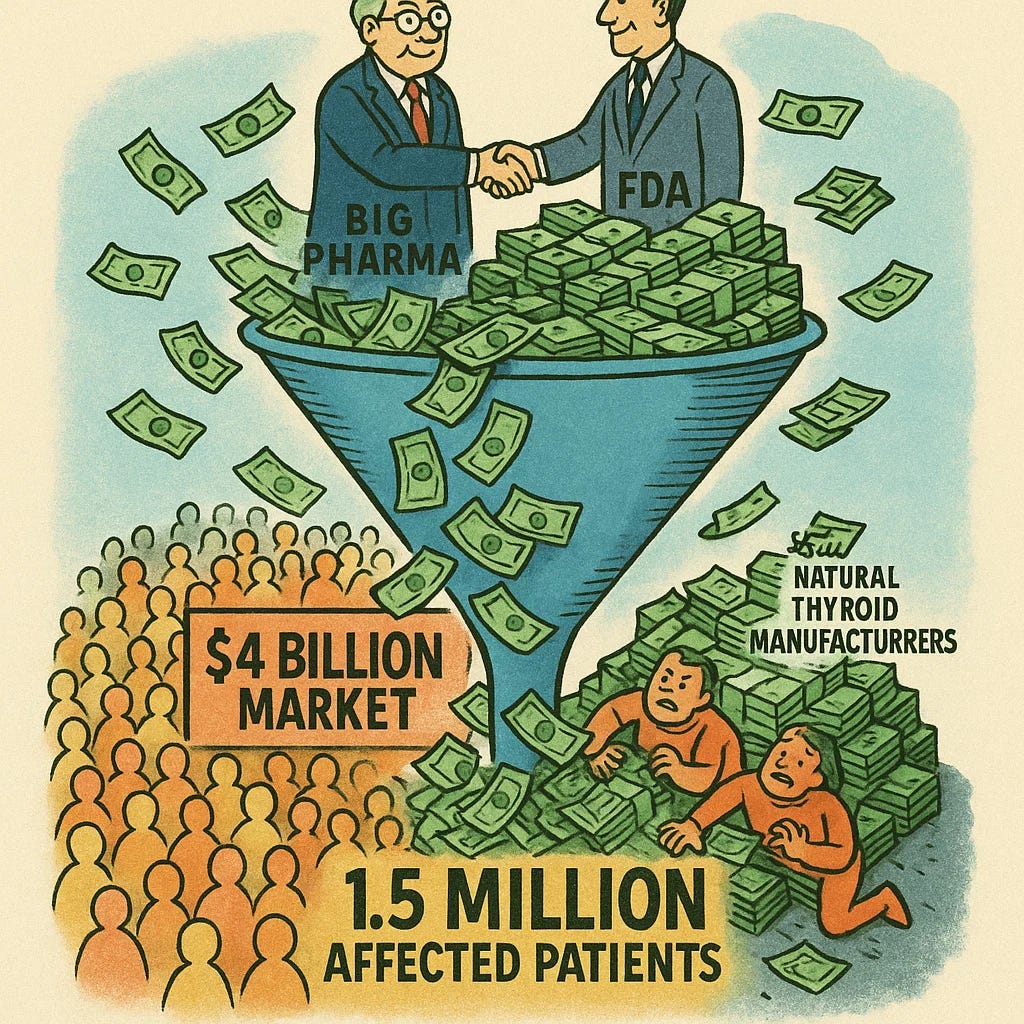
In what represents an unprecedented overreach of regulatory authority that prioritizes pharmaceutical profits over patient welfare, the FDA has declared war on 1.5 million Americans who depend on natural thyroid medications for their very survival. As Dr. Robert Malone warned in his urgent alert: „You might think that the FDA wanted older women to be disabled with brittle bones, cognitive decline, metabolic disease, obesity, and poor health.”[1]
This is the systematic dismantling of a treatment that has worked successfully for 130 years—since 1891 when Dr. George Redmayne Murray first used desiccated thyroid extract to save a woman dying from myxedema, an extreme form of hypothyroidism.[2] The FDA’s August 6, 2025 enforcement letters threatening to ban all natural desiccated thyroid (DTE) products—including Armour Thyroid, NP Thyroid, and Nature-Throid—represent medical tyranny designed to funnel billions into synthetic drug manufacturers while condemning millions to unnecessary suffering.
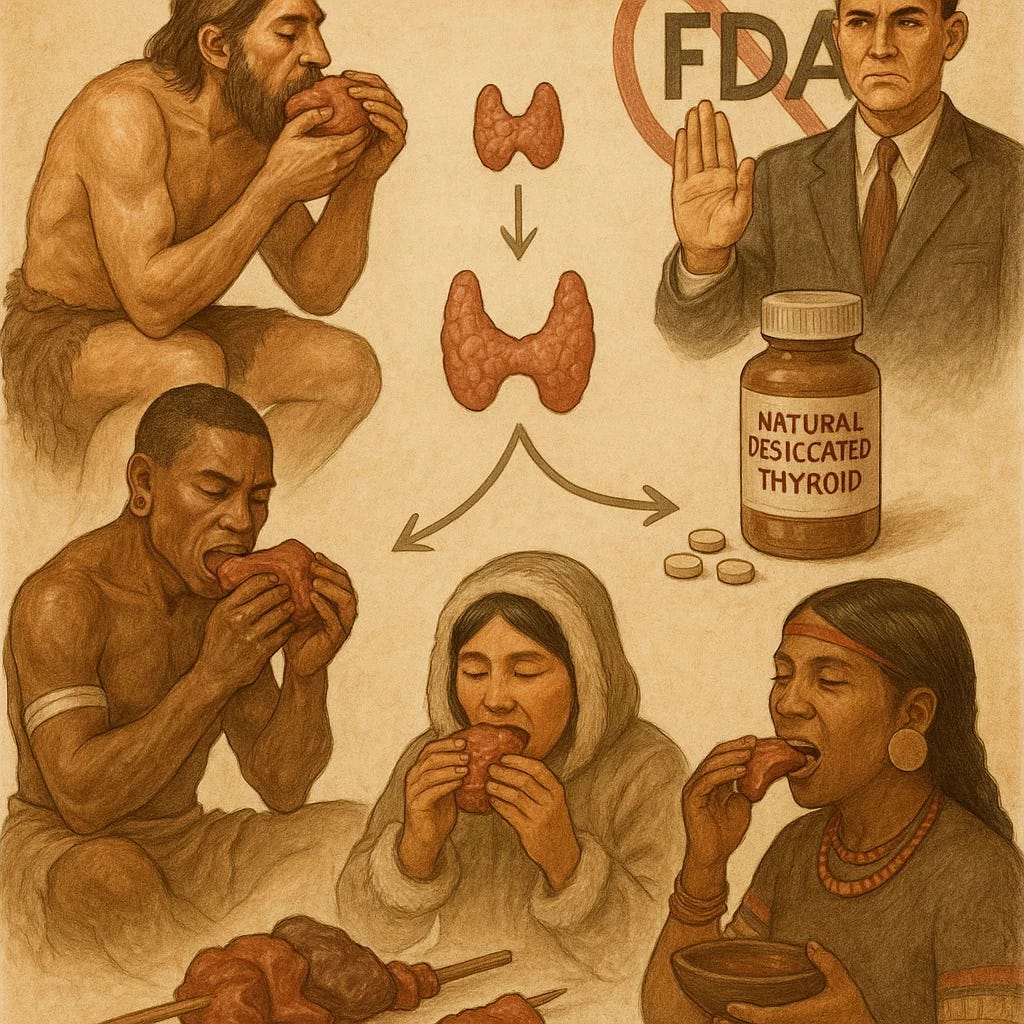
But here’s what makes this particularly egregious: natural thyroid is essentially ancestral food—organ meat that humans have consumed for millennia. The FDA is attempting to ban what is fundamentally a concentrated form of dietary thyroid gland, the same substance our ancestors prized as sacred medicine and nutrient-dense food.
The Bioidentical Illusion: Why Patient Experience Is Ontological Truth
Natural desiccated thyroid extract from a porcine source is the most physiologically complete thyroid replacement available. Unlike synthetic levothyroxine’s single-molecule approach, DTE provides:
T4 (Thyroxine): The storage hormone
T3 (Triiodothyronine): The active metabolic hormone
T2 (Diiodothyronine): Critical for mitochondrial function
T1 (Monoiodothyronine): Emerging metabolic roles
Calcitonin: Essential for bone health
UNKNOWN YET HIGHLY LIKELY: Yet to be fully characterized indispensable biological co-factors
As Dr. Malone emphasizes, „T3 is the active thyroid hormone responsible for controlling metabolism, heart and digestive functions, muscle and brain activity, growth, and temperature regulation. Its actions are more potent than its precursor T4, and balanced T3 levels are essential for good health.”[3]
The Molecular Deception
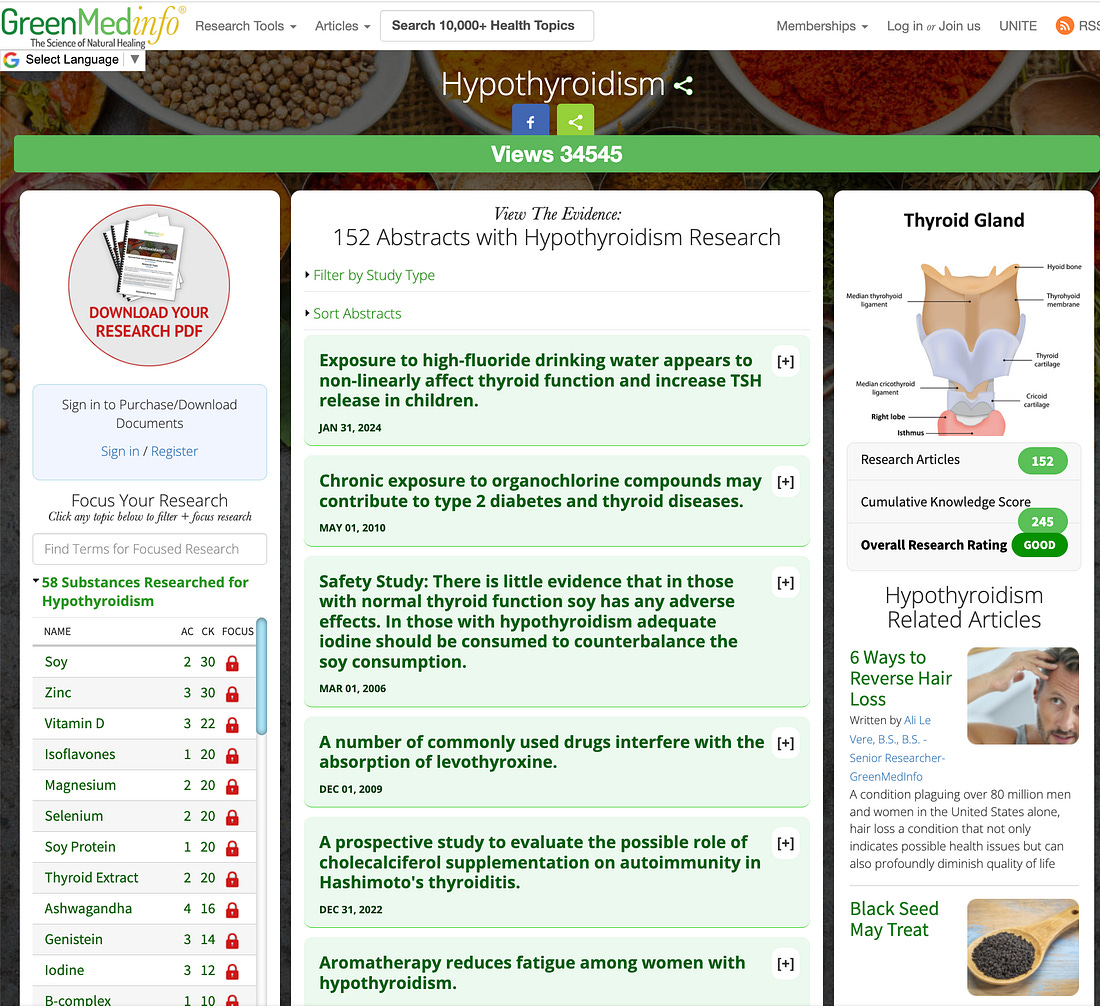
The FDA wants you to believe synthetic levothyroxine is „identical” to natural thyroid hormone. This is scientifically false. As GreenMedInfo’s research has revealed for over a decade, synthetic T4 is produced through a mind-numbingly complex chemical process involving „nitrating L-tyrosine,” „tetrazotized and iodized” compounds, and treatment with „aqueous HI in acetic acid.”[4] This Frankenstein molecule is then contaminated with up to 6% dextro-thyroxine, a mirror-image stereoisomer that is cardiotoxic and acts as an endocrine disruptor.[5]
One patent describes the dizzyingly complex process of levothyroxine synthesis as follows:
„The process for preparation of Levothyroxine sodium comprises the steps, wherein compound obtained from steps a-g is prepared by conventional methods, a. nitrating L-tyrosine to give 3,5- dinitro-L-tyrosine, b. acetylating 3,5- dinitro-L-tyrosine to give 3,5- dinitro-N-acetyl L-tyrosine, c. esterifying the compound obtained from step (b) to give 3,5- diπitro-N-acetyl L-tyrosine ethyl ester, d. reacting the compound obtained from step (c) with p-TsCI in presence of pyridine to give corresponding tosylate salt, which is further reacting with 4-methoxy phenol to give 3,5- DinKro-4-p-methoxy phenoxy-N-acetyl-L-phenyl alanine ethyl ester, e. the compound obtained from step (d) is hydrogenated to give 3,5-diamino-4-p-methoxy phenoxy-N-acetyl-L-phenyl alanine ethyl ester, f. the compound obtained from step (e) is tetrazotized and iodized to give 3,5-Diiodo-4-p- methoxy phenoxy-N-acetyl-L-phenyl alanine ethyl ester, g. the compound obtained from step (f) is O-demethylated, N-deacetylated, and deesterified using aqueous HI in acetic acid to give 3,5-Diiodo-4-p-hydroxy phenoxy-L-pheπyl alanine followed by preparing hydrochloride salt of same and isolating, drying it h. lodinating 3,5-Diiodo-4-p-hydroxy pheπoxy-L-phenyl alanine HCI salt using methyl amine.”
The critical epistemological issue is this: absence of evidence is not evidence of absence. Just because current assays cannot detect functional differences between synthetic and natural T4 doesn’t mean such differences don’t exist. Biological systems are nonlinear and exquisitely sensitive to subtle variations that cascade into significant physiological effects.
The Thyroglobulin Reality: Nature’s Infinite Complexity
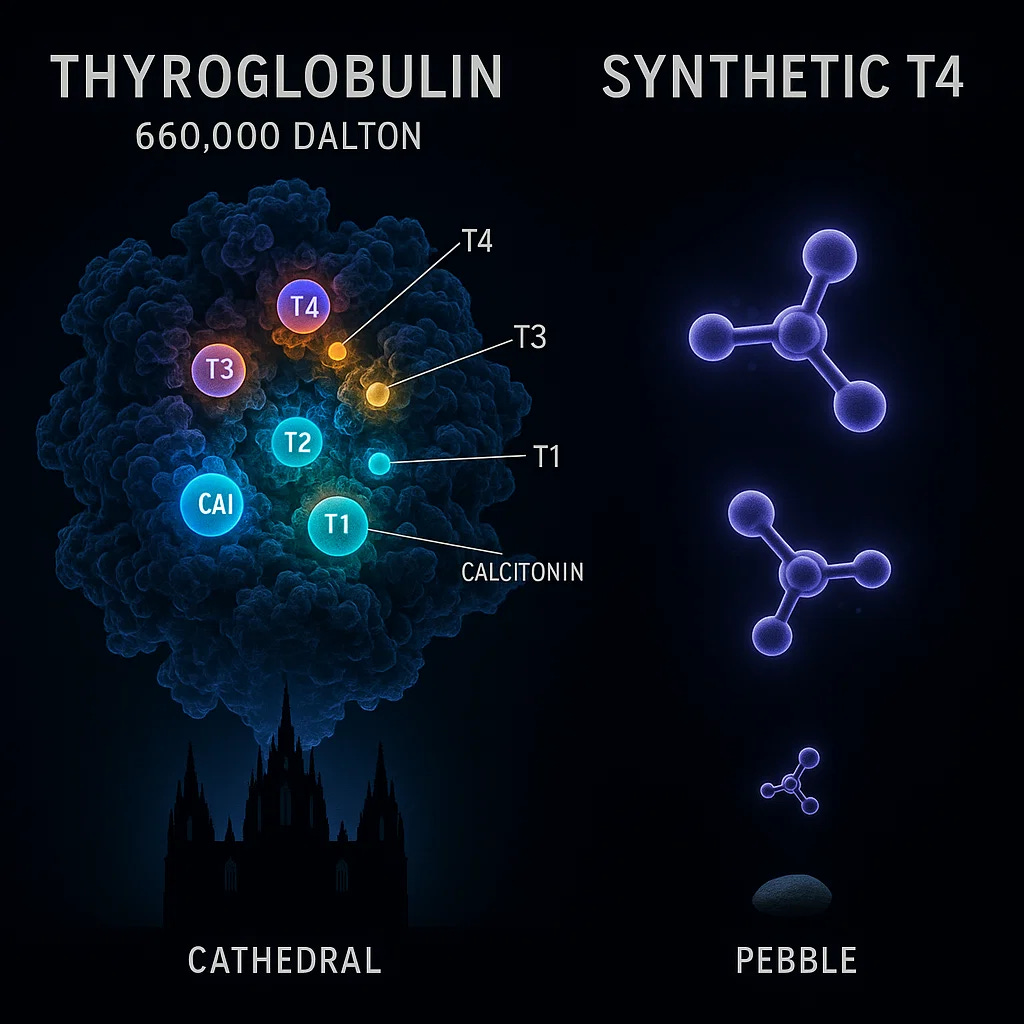
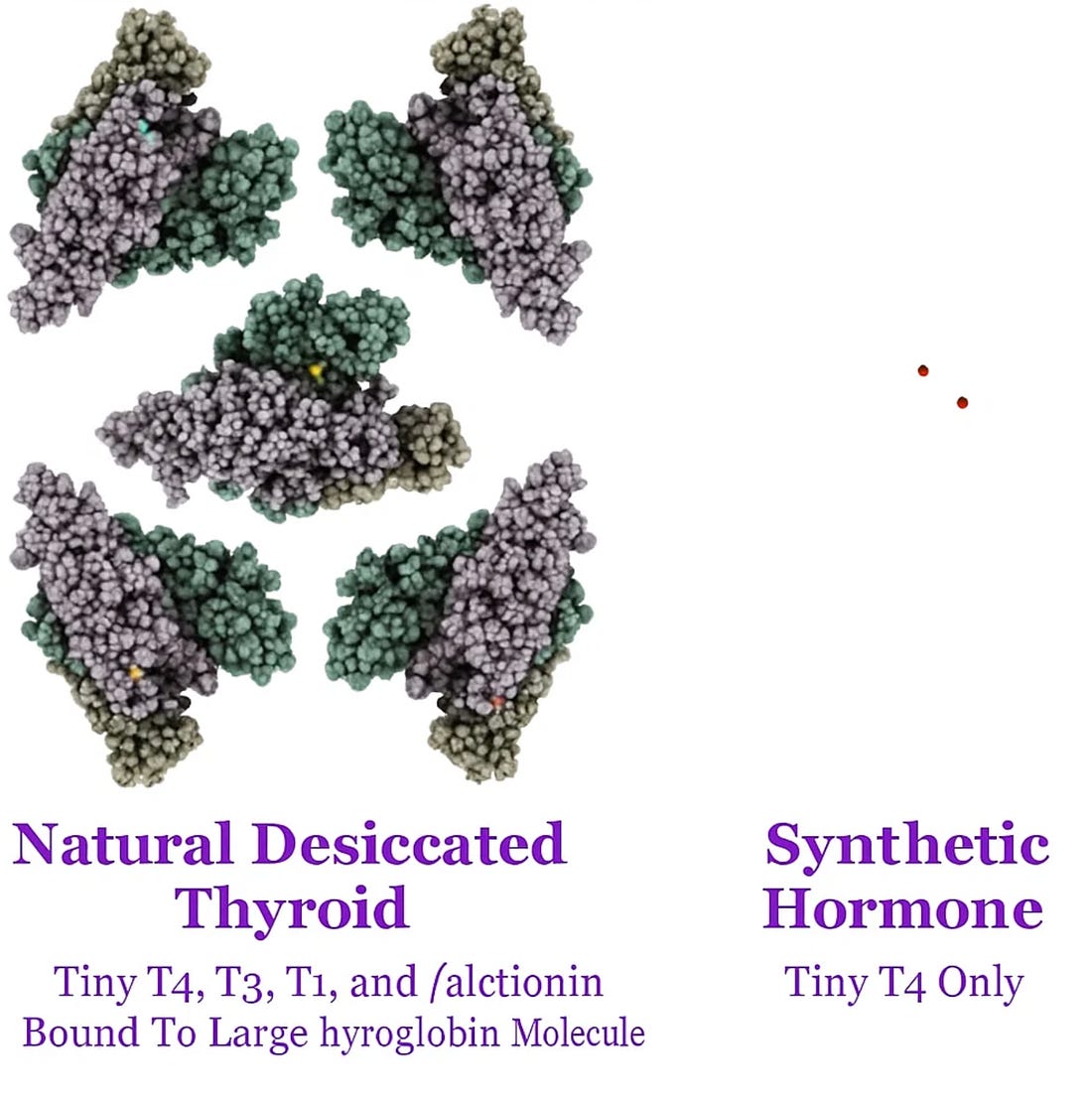
The image above exposes the breathtaking gulf between natural and synthetic thyroid hormone. Natural desiccated thyroid contains T4, T3, T2, T1, and calcitonin bound to the massive thyroglobulin protein—a 660,000 dalton molecular complex representing millions of years of evolutionary optimization. Each hormone exists in specific conformational states, held in precise spatial relationships, creating an information-rich matrix the body recognizes holistically.
In contrast, synthetic hormone consists of isolated T4 molecules floating in pharmaceutical void, stripped of biological context, devoid of the intricate molecular choreography that defines natural thyroid function.
Levinthal’s Paradox and the Information That In-Forms
To understand the true magnitude of this difference, we must invoke Levinthal’s Paradox. For thyroglobulin to fold from a linear chain into its precise three-dimensional structure requires navigation through near-infinite conformational possibilities—a journey that would take longer than the universe’s age if done randomly. Yet it folds perfectly in milliseconds.
What Levinthal’s Paradox teaches us is that biological specificity contains inconceivable amounts of information—but not information as mere data. This is information as that which in-forms—that which puts form into biological matter, guiding the transformation of potential into actuality.
When thyroglobulin folds into its native state, it demonstrates information as a formative force. Each T4 molecule bound to thyroglobulin is literally in-formed by this protein matrix. The scaffold puts form into:
How the hormone is held in three-dimensional space
What microenvironmental conditions it experiences
How it relates to neighboring hormone molecules
When and how it will be released
What conformational memory it carries forward
This formative information—accumulated over millions of years of evolution—cannot be replicated in a reaction flask.
The Hydration Shell: Water as Information Carrier
Consider a dimension rarely discussed: every biological molecule exists within a hydration shell—a structured water envelope. Research into water’s fourth phase reveals it as an exquisite carrier of information and memory, capable of structuring itself in ways that drive molecular actions and cellular communication. The water surrounding naturally-produced hormones has been structured by living processes, carrying biophysical information that influences hormone behavior.
Remarkably, even when natural thyroid is desiccated, this information is not entirely lost. The freeze-drying process preserves molecular architecture, and upon rehydration in the body, water restructures itself according to the biological template, partially restoring the information field. It’s like a compressed file expanding back to its original form—not perfectly, but with far more fidelity than starting from scratch.
The synthetic hormone’s hydration shell, formed in industrial conditions, lacks this biological structuring entirely. The qualitative difference between natural and synthetic forms is ontologically vast—an insurmountable chasm that the false equivalence model cannot bridge.
From „Subjective” to Structural: The Science of Patient Experience
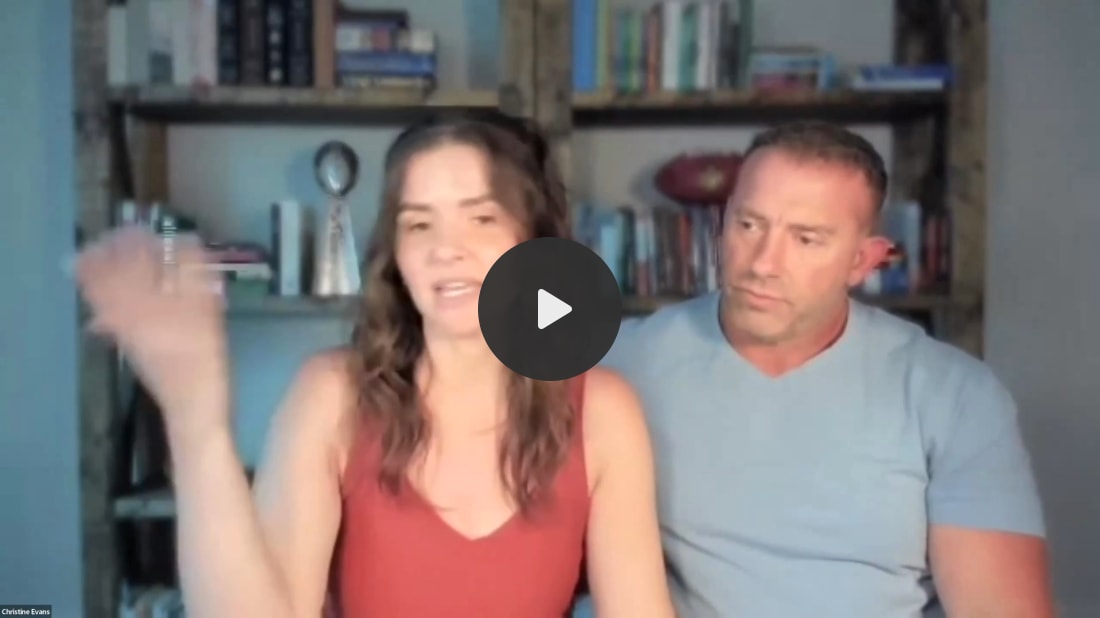
When patients report life-changing improvements on natural thyroid—like Vicera co-founder Chrissy, who shared with me her experience of restored energy, mental clarity, weight loss, and emotional balance using the natural thyroid product she developed with her husband Heath —the medical establishment waves these away as 'subjective’ or 'merely anecdotal.’ But the molecular science reveals why dismissing these patient experiences is anti-scientific:
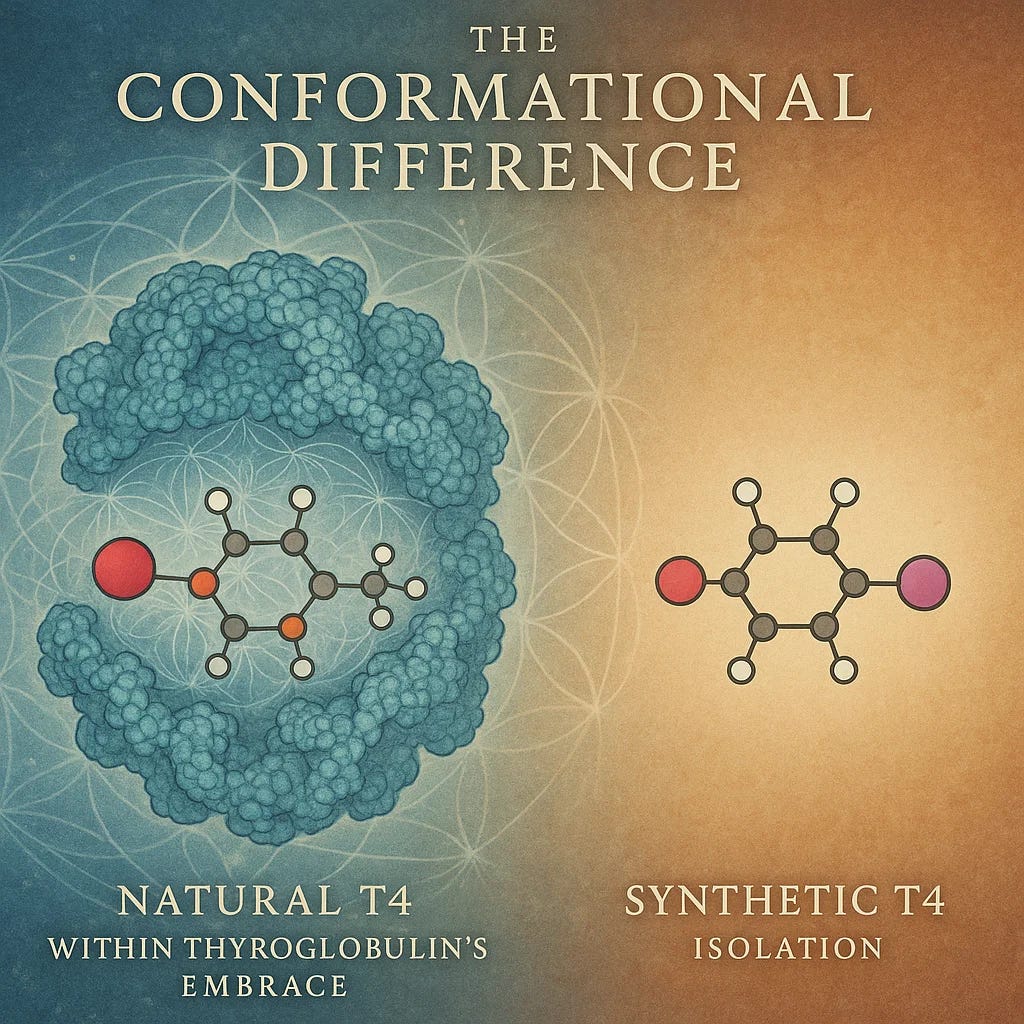
1. Conformational Intelligence: Each hormone bound to thyroglobulin exists in a specific three-dimensional state that carries information. The protein presents hormones to the body in evolutionarily optimized conformations that synthetic hormones cannot replicate.
2. Synergistic Delivery: The thyroglobulin complex ensures coordinated release of ALL thyroid hormones, creating cascading physiological effects patients experience as comprehensive well-being.
3. Information Beyond Chemistry: The 660,000 dalton thyroglobulin molecule represents biological information—protein folding patterns, binding sites, enzymatic cleavage points—all influencing how the body receives and processes hormones.
4. Evolutionary Recognition: Human physiology evolved with thyroglobulin-bound hormones. Our cellular machinery is optimized for this natural presentation. Synthetic T4 is a 70-year-old pharmaceutical approximation of a system refined over evolutionary time.
When patients report feeling profoundly different on natural versus synthetic thyroid, they’re experiencing the difference between medicine that carries biological information and medicine that doesn’t.
The landmark 2013 Hoang study in the Journal of Clinical Endocrinology & Metabolism revealed a truth the pharmaceutical industry desperately wants suppressed.[6] In this randomized, double-blind, crossover study with 70 patients: natural thyroid was preferred by nearly 3x as many patients as synthetic levothyroxine—48.6% preferred DTE versus only 18.6% for levothyroxine.
Those choosing natural thyroid reported dramatic improvements in their lived experience. Their scores showed statistically significant improvements (p < 0.001) in energy, mood, mental clarity, and quality of life.
Perhaps most tellingly, patients on DTE lost an average of 3-4 pounds without trying—actual metabolic activation from receiving the full hormone spectrum.
The 2021 Shakir study reinforced these findings. Among the most symptomatic patients—those failed most dramatically by synthetic monotherapy—switching to DTE produced significant improvements in mood, memory, and well-being.[7]
The Conversion Crisis No One Talks About
The dirty secret of synthetic thyroid treatment: up to 15% of patients cannot efficiently convert T4 to T3 due to genetic polymorphisms affecting deiodinase enzymes.[8] For these millions, synthetic levothyroxine is metabolic poison. Their bodies flood with inactive storage hormone while being starved of active T3.
When they report persistent symptoms despite „normal” TSH levels, they’re told it’s psychological. Meanwhile, their bodies deteriorate with:
The Postmenopausal Crisis: FDA’s Betrayal of Women’s Health
Dr. Malone’s warning about postmenopausal women exposes a particularly cruel dimension. Research demonstrates that declining estrogen levels directly impair the body’s ability to convert T4 to active T3.[9] The FDA’s mandate forcing these women onto T4-only treatment is tantamount to prescribing metabolic dysfunction.
The calcitonin component becomes critical during this life stage. Studies reveal 50% of thyroidectomized patients develop osteopenia specifically from calcitonin deficiency.[10] Postmenopausal women already facing dramatic bone loss from estrogen decline are essentially guaranteed osteoporosis without access to DTE’s calcitonin.
Clinical evidence shows postmenopausal women on natural thyroid experience:
Better cognitive function
Improved energy levels
Modest but significant weight loss
Enhanced mood stability
Given that thyroid disease incidence is 5-20 times higher in women (much of which is preventable and even reversible through root-cause resolution medical approaches applied early enough)*, with highest rates in postmenopausal and elderly women, the FDA’s actions appear designed to maximally harm the population most dependent on comprehensive thyroid support.
From Dr. Murray’s first use in 1891 through seven decades as standard treatment, DTE has 130 years of real-world safety data.[11] During this time, it transformed myxedema from death sentence to manageable condition.
The FDA’s own adverse event database tells the story they want buried. Between 1968-2025, only 500 adverse events were reported for DTE—approximately nine per year across millions of doses.[12] Compare this to synthetic levothyroxine:
Associations with increased lung cancer risk
Documented links to atrial fibrillation and fractures
Recent FDA recall of 160,000+ bottles for subpotency[13]
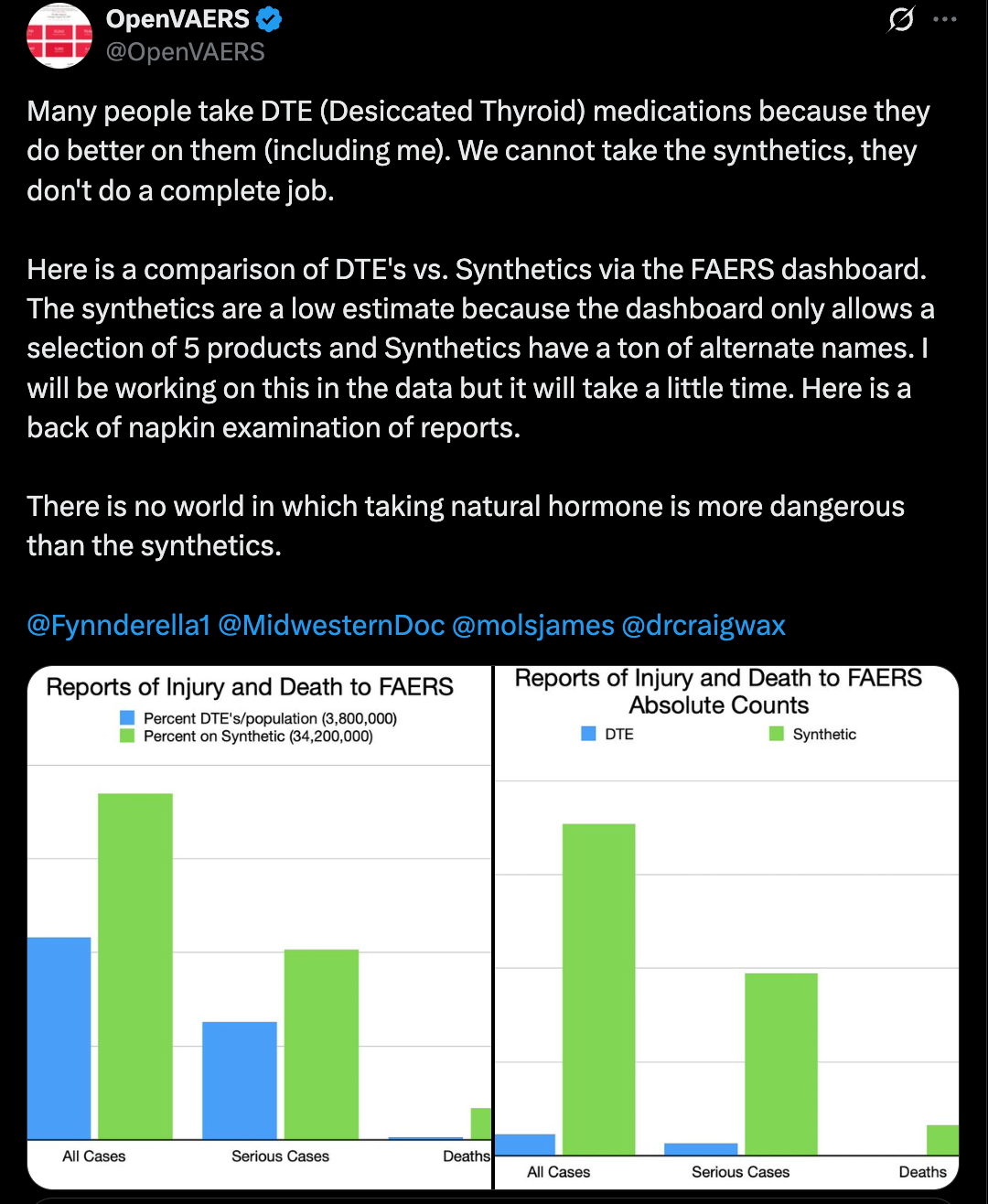
Most damning: the X account OpenVAERS’s analysis of FDA’s FAERS database shows synthetic medications have proportionally higher rates of injury and death, even accounting for larger user population.[14] Their conclusion: „There is no world in which taking natural hormone is more dangerous than the synthetics.”
The agency’s selective enforcement reveals the truth. Smaller manufacturers face recalls for minor potency variations, while AbbVie’s Armour Thyroid—made by the same company producing Synthroid—continues unimpeded. Safety isn’t the concern—market control is.
The Economic Conspiracy: Follow the Money
The global levothyroxine market generates $4 billion annually, projected to reach $5.88 billion by 2033.[15] The DTE market, serving only 1.5 million patients, represents a dangerous precedent that natural solutions can outperform patented drugs.
Synthetic levothyroxine costs 50-100 times less to produce than natural thyroid extract. When you can charge the same price for a product costing pennies versus dollars to make, eliminating competition becomes a business imperative.
AbbVie’s unique position reveals the conspiracy. This pharmaceutical giant, spending $4.53 million on lobbying, manufactures both Synthroid and Armour Thyroid.[16] While smaller competitors face extinction, AbbVie remains untouched. Consider:
RLC Labs ($30 million revenue) can’t afford regulatory lawyers
Acella Pharmaceuticals ($120 million) lacks political connections
These companies face extinction not for safety reasons, but for lacking financial firepower
Research documents that 73% of FDA advisory meetings include members with drug manufacturer ties.[17] The endgame is clear: force 1.5 million DTE patients onto synthetics, eliminate competition, establish precedent for banning natural alternatives.
The Resistance Movement
Multiple Change.org petitions have gathered tens of thousands of signatures. Board-certified endocrinologists who personally take DTE lead opposition campaigns. The Alliance for Natural Health and numerous medical professionals condemn the FDA’s action to “Protect Natural Thyroid!”, and have created a call to action you can participate in right here now.
The post-Chevron legal landscape offers hope. The Supreme Court’s elimination of automatic deference to agency interpretations means the FDA must prove clear Congressional authorization, scientific basis, and rational enforcement after 130 years—all impossible.
The Thyroid Disease CARE Act of 2024 (H.R.10297) specifically addresses „barriers that individuals diagnosed with thyroid disease face in accessing treatments.”[18]
The Call to Action
This is about medical freedom—the right to access ancestral foods and traditional medicines that have sustained human health for millennia.
I don’t care where you live, everyone likes chicken dinner. Most varieties of chickens – particularly those docile, backyard egg laying breeds just aren’t fast enough.
If you want tick control on your farm, get guineas.
Chickens just ain’t gonna last long enough to do any good.
A technical point – I think this is more of a Boomer Disaster Kit -This model had all been made obsolete – before GenXers hit the schoolyards.
Malone News is a reader-supported publication. To receive new posts and support my work, consider becoming a free or paid subscriber.
“Dr. Robert Malone on MAHA, Censorship & The Future of Truth”:
Dr. Robert Malone joins Brian Rose to expose the battle over truth, censorship, and the rise of MAHA (Make America Healthy Again).
From silenced voices to digital control, this explosive conversation dives deep into the war on free speech and the future of independent thought.
Is truth under siege? “
Brian Rose of London Real with Dr. Robert Malone Watch The Full Episode: „The Fight Has Just Begun” Dr. Robert Malone on MAHA, Censorship & The Future of Truth –
Brian Rose of London Real with Dr. Robert Malone. Watch The Full Episode:
A State Department of Fish and Wildlife sent a letter to a home/landowner asking for permission to access a creek on his property to document the decline in a certain species of unheard of frogs.
The letter is as follows:
Dept. Of Fish & Wildlife:
Dear Landowner:
WDFWR Staff will be conducting surveys for foothill yellow-legged frogs & other amphibians over the next few months. As part of this research, we would like to survey the creek on your property. I am writing this letter to request your permission to access your property.
Recent research indicates that foothill yellow-legged frogs have declined significantly in recent years and are no longer found at half their historic sites. Your cooperation will be greatly appreciated and will help contribute to the conservation of this important species.
Please fill out the attached postage-paid postcard and let us know if you are willing to let us cross your property or not.
If you have any concerns about this project please give us a call. We would love to talk with you about our research.
Thank you for your inquiry regarding accessing our property to survey for the yellow-legged frog. We may be able to help you out with this matter.
We have divided our 2.26 acres into 75 equal survey units with a draw tag for each unit. Application fees are only $8.00 per unit after you purchase the „Frog Survey License” ($120.00 resident / $180.00 Non-Resident). You will also need to obtain a „Frog Habitat” parking permit ($10.00 per vehicle).
You will also need an „Invasive Species” stamp ($15.00 for the first vehicle and $5.00 for each add’l vehicle) You will also want to register at the Check Station to have your vehicle inspected for Non-native plant life prior to entering our property. There is also a Day Use fee, $5.00 per vehicle.
If you are successful in the Draw you will be notified two weeks in advance so you can make necessary plans and purchase your „Creek Habitat” stamp. ($18.00 Resident / $140.00 Non-Resident).
Survey units open between 8 am. And 3 PM. But you cannot commence survey until 9 am. And must cease all survey activity by 1 PM.
Survey Gear can only include a net with a 2″ diameter made of 100% organic cotton netting with no longer than an 18 in handle, non-weighted and no deeper than 6′ from net frame to bottom of net. Handles can only be made of BPA-free plastics or wooden handles.
After 1 PM. You can use a net with a 3″ diameter if you purchase the „Frog Net Endorsement” ($75.00 Resident / $250 Non-Resident).
Any frogs captured that are released will need to be released with an approved release device back into the environment unharmed.
As of June 1, we are offering draw tags for our „Premium Survey” units and application is again only $8.00 per application.
However, all fees can be waived if you can verify „Native Indian Tribal rights and status”.
You will also need to provide evidence of successful completion of „Frog Surveys” and your „Comprehensive Course on Frog Identification, Safe Handling Practices, and Self-Defense Strategies for Frog Attacks.”
This course is offered on-line through an accredited program for a nominal fee of $750.00.
Please let us know if we can be of assistance to you. Otherwise, we decline your access to our property but appreciate your inquiry.
The above little meme caught my attention because during our extensive travels across Europe, we have noticed just how truly depressing and ugly the vast swathes of cities bathed in Brutalist architecture truly are. These buildings are like entering an Orwellian nightmare.
What is Brutalist architecture?
Brutalist architecture is an architectural style that emerged in the 1950s, characterized by its use of raw, exposed materials, most notably concrete, minimal ornamentation, geometric forms, on a monumental scale.
The 'social ambition” of Brutalist architecture refers to its primary goal of using architecture to promote socialism and communism for people of all social classes. Whereby, everyone are forced to live in the same structures – in the name of equity and inclusion. Hence, social equity becomes the driving force for “public” housing. Housing for which all are expected to dwell.
In fact, Brutalist architecture is a socialist and communist construct, especially during the mid-20th century. While Brutalism originated in the postwar West (notably the UK), it soon became the dominant style across the communist Eastern Bloc from the 1960s through the 1980s, including in the USSR, Czechoslovakia, East Germany, Bulgaria, and Yugoslavia. Socialist and communist governments, in particular, promoted them with purpose.
While Brutalist architecture does not include explicit surveillance features like cameras or monitoring systems – as those systems were not available at the time, in its style – the design elements, such as minimal external windows, centralized layouts, and controlled entry points, facilitate restricting public access and controlling environments. These all align well with government security goals. Furthermore, the association between Brutalism and government bureaucracy, authority, and secrecy has made these structures symbolic of surveillance for the public and in popular media.
Let’s turn to 15-minute cities. They are supposed to provide:
Sustainability – By keeping people within a 15-minute walking distance from where they live and work.
Community and Social Cohesion:
Economic Resilience:
Equity and Inclusion:
Sound familiar?
The truth about 15-minute cities is that they allow governments to conduct massive and routine surveillance of their populace, as well as impose permanent restrictions on the daily activities of large groups of people. These cities work to exclude car ownership from ordinary citizens by making it too expensive through the permitting process and via road restrictions (such as limited traffic zones in residential areas). In the name of social equity, the rights of citizens to move freely are being restricted.
What happens when one gets a better job elsewhere, but other family members are forced to stay within their zone for work or educational purposes? Where one can’t afford to commute or own a car? Will this cause the extended and even nuclear family to break down further?
During any sort of public emergency, the government can limit who can move in and out of these zones. For instance, if one doesn’t have an updated vaccine green pass, their ability to leave their enforcement zone can be easily disabled.
We witnessed this on a massive scale during the COVIDcrisis in Europe. Similarly, in Canada, people were not allowed to board a train or take an airplane for almost a full year, even for medical care, work, or a funeral. Just think if being able to leave the 15-minute zone of your residence was tied to your ability to take public transportation.
In places where 15-minute cities have actually been implemented for any length of time, such as London, most people are resentful and not happy living under these conditions.
Whereas government security goals were once associated with brutalist architecture, in London, there are over a million CCTV cameras, and 15-minute cities have also become associated with the security state. Under these conditions, the right to privacy disappears… when centralized planning becomes the law.
But it gets worse: Brussels is now actively pursuing the 10-minute city model, not only for “climate and sustainability reasons”, but also to explicitly promote equity across its neighborhoods.
The architectural style of a 15-minute city may not be “brutalist,” but the goals don’t seem much different.
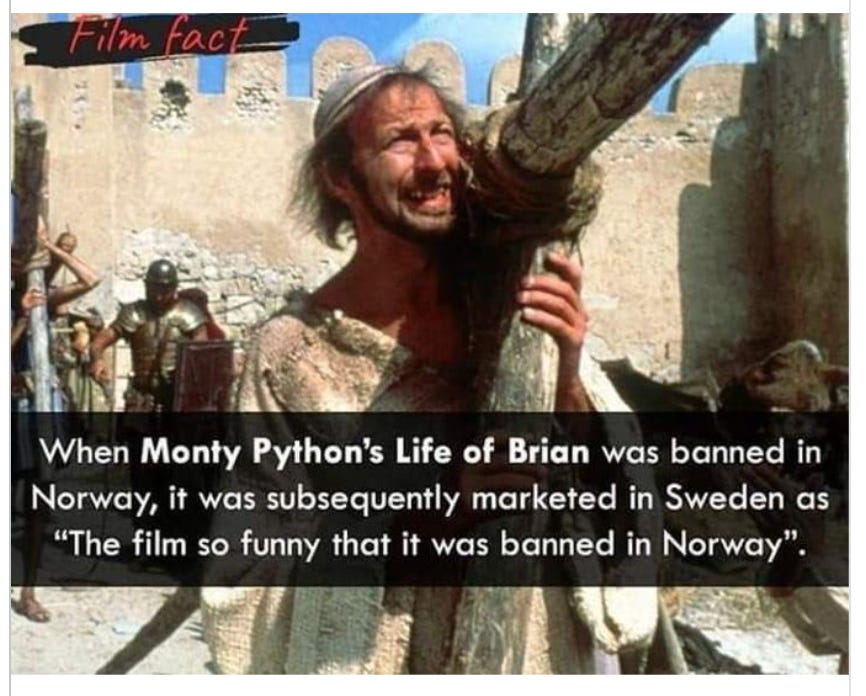
Yep- another true story. The Norwegian censorship authority invoked the blasphemy section of the Penal Code (section 142) to prohibit The Life of Brian, even though this law had not been applied in decades.
And yes, the Swedish film industry did run a marketing campaign on that fact.
Thank goodness for our First Amendment rights!
Malone News is a reader-supported publication. To receive new posts and support my work, consider becoming a free or paid subscriber.
One of the benefits of being elderly and having held numerous roles within the US biomedical enterprise is the ability to delve into the details or broaden the perspective to see the bigger picture when necessary. I do not know many people who have the same breadth of exposure that I do, for better or worse. And now, as the sun sets on my so called career, my bicoastal random walk through academe, non-governmental organizations, pharma, DoD, NIH, FDA, and CDC while trying to pay my bills and raise a family, I have become even more aware of how dysfunctional the whole system has become. My learned cynicism is being further refined consequent to getting a glimpse from an inside-the-CDC point of view due to the recent ACIP appointment. One important conclusion is that the deep dysfunction of the US Government’s response to COVID is not only due to the nefarious activities of bad actors who have refined abilities to game the system, but it is also the product of evolved structural flaws that they exploited for personal and corporate gain.
This recently came to a head when questioning a CDC leader during the most recent ACIP meeting, and then speaking to a colleague about the immunologic consequences of repeated dosing (“boosting”) with any vaccine, including the gene therapy-based products (mRNA or recombinant AdV). During the recent ACIP meeting, I asked a question about lot-to-lot variability in safety and effectiveness with the mRNA products. The “how bad is my batch” question that is near and dear to my own heart (so to speak) as my second dose elicited such significant adverse events (POTS syndrome, restless leg, atrial fibrillation, malignant hypertension) and was identified as being a “bad lot” based on VAERS report analysis.
The answer I received from a CDC official was that it was not CDC’s job to monitor lot-to-lot variability, but rather that was FDA’s job. No matter that CDC VAERS data clearly document significant lot-to-lot variability, not in our wheelhouse. As an ACIP member, I was told to seek data from the FDA.
The immunology discussion related to the perplexing, persistent issues of whether repeated antigen exposure can cause the immune system to become less (rather than more) responsive to either a specific antigen, pathogen, or even in general. The immunobabble terminology related to these issues include “original antigenic sin”, “immune imprinting”, “immunoglobulin class switching”, “high zone tolerance”, and Allergen immunotherapy, also known as “desensitization” or “hypo-sensitization”. Bottom line? In immunology, more is not necessarily better. And yet rigorous vaccine primary and “booster” dose selection, timing and repeated boosting studies are rarely if ever done, even in rodent models. Now the ACIP makes recommendations to the CDC director about such matters, so you might assume that the CDC would have the data to demonstrate that decisions about the short and long term effects of re-administration of “vaccines” are based on solid human clinical research findings, wouldn’t you. And you would be wrong. These data just do not exist within the world of CDC data sets. Why you ask? Same answer as for the lot-to-lot variability. Not in our wheelhouse. Paraphrasing- “We do not have the capabilities to do those studies.” “This would require sophisticated immunologic analyses and we do not have either the equipment or the staff.” So who does, one might ask? WELL, that is NIH’s job.
I have DECADES of experience with the NIH and its grants, contracts, and peer-review processes. And Jill’s PhD research project specifically focused on the NIH peer review process. We know a lot about both intramural and extramural NIH funding. First thing you should know about that, aside from the chronic and persistent conflicts of interest and bias (overt and subtle) inherent in that system, is that it takes 4-5 years from initial concept to actually awarding a grant or contract via NIH. A paragon of bureaucratic inefficiency. So, rapid response to a novel public health threat is not consistent with the NIH system.
Aside – Which is why the “other transactional authority” contracting system was set up over at BARDA and DoD. Which was the system that lead to the famous Pfizer defense (paraphrasing) that “we did not commit fraud, we delivered the fraud that the government contracted us to deliver’. Someone should be charged with contracting fraud on that one, but that is a different topic. I was there over a decade ago when this “OTA” system was developed, and have used it myself for major contracts that I have built and won for clients. I know what I am talking about.
But getting back to the crevasses. In the case of the immunologic consequences of repeated dosing with antigens (ergo, “boosting”), no Dr. Peter Marks, inbred mice do not predict human responses.The only thing that predicts outbred human responses is outbred human responses. Not mice, not ferrets, and not monkeys.
And immune system responses in humans that live in the rough and tumble stew of chronic parasites and pathogen exposure on the African continent do not even predict how North American humans will respond, in part due to the cytokine responses generated by the parasites and pathogens. Does NIH routinely fund evaluation of these sorts of issues for existing or new vaccines? No. That would be the job of the FDA. Does the FDA do it? No, that would be the job of the pharmaceutical companies.
Another fundamental inconvenient truth is that, if you are a pharmaceutical industry researcher, it is career suicide to do any studies during advanced development (clinical research stage) just because they seem like the right thing to do to answer an important question. You only do those studies that the FDA forces you to do. Otherwise you might get an answer that will delay or block FDA marketing authorization. And if the FDA is not on the ball or willfully looking the other way due to various pressures and biases, they do not require the studies that would address things like, say, shedding or adverse long-term effects of repeated boosting.
So, CDC says it is FDA or NIH’s problem. NIH is distracted, incredibly inefficient, and driven by fame, fortune, the Nobel Prize hunt and racking up “peer reviewed” publications that go nowhere. DoD does what it can, but its mission is fighting wars and protecting the warfighter, not civilians. And the FDA just muddles through, constantly getting pressured, gamed and spun by Pharma. Medical caregivers have been indoctrinated to have faith in the system and have no idea of how deeply messed up things actually are.
And the average person (and average politician) believes the promoted marketing and propaganda that all is “safe and effective” and that they should just shut up and do what their doctor tells them to do. And the profit rolls in like a tsunami.
This is what I see from my perch. Yes, over decades of experience, I have become deeply cynical. But I still hold out hope that things can be made better. And I hope that you do too. The Make America Healthy Again movement is like nothing I have ever experienced or even imagined. It will not be easy, and it will not be quick. Secretary Kennedy and his team do not have a magic wand, and the resistance to change (internal and external) is enormous. This will take years, and will require massive reimagining and restructuring of the entire health enterprise.
Do we have a choice? If we fail in this endeavor, then our children will continue to live shorter and less healthy lives than their parents. And this is just not acceptable.
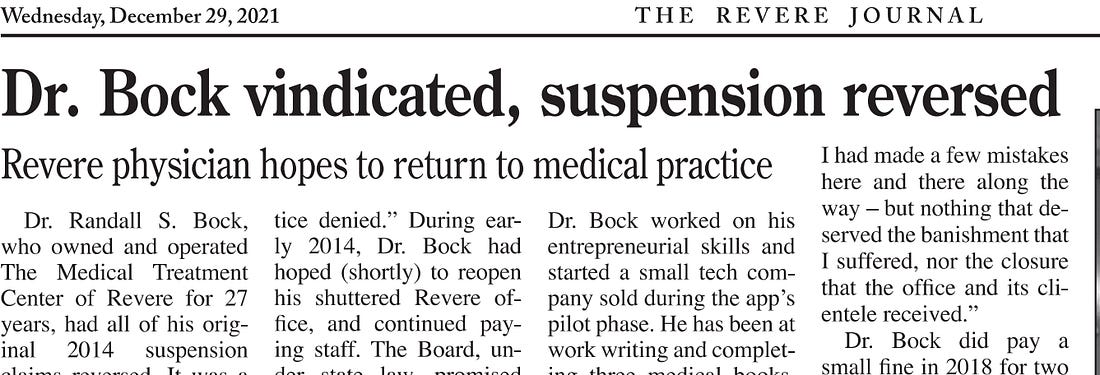
One of the big outstanding COVID crisis questions is „How did the medical care system get things so wrong?.” This excellent essay from Dr. Randall Bock uses personal experience and anecdotes from a lifetime of primary care practice spanning rural W Virginia to big city Boston to illustrate and illuminate the sickness at the heart of modern western medicine. I first met Dr. Bock right after the recent election when he reached out to interview me about USG HHS, government contracting, and BARDA. We have had many conversations since, and I have become a fan of his work and perspective. But I had no idea of his personal history. What this essay reveals is the systemic medical system dysfunction seen throughout the US and western medicine during COVID was part of a much broader problem.
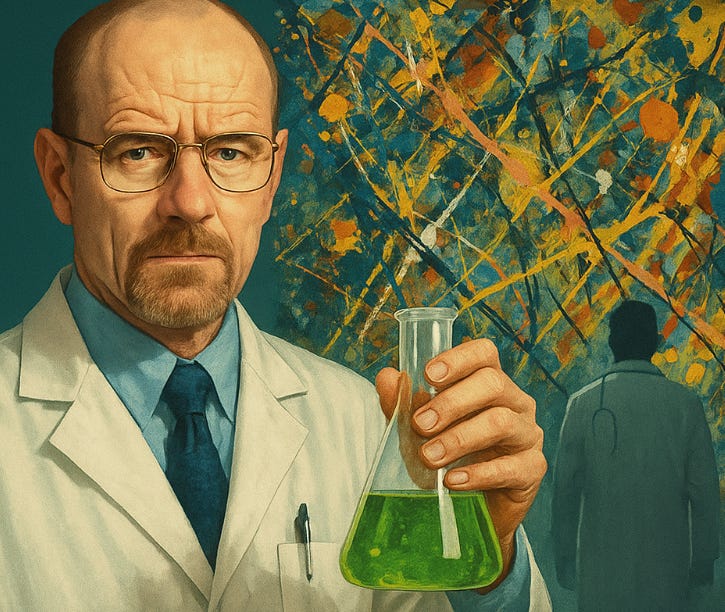
“Chemistry – well, technically chemistry is the study of matter. But I prefer to see it as the study of change…. But that’s all of life, right? It’s just the constant, it’s the cycle…. It is growth, then decay, then transformation. It is fascinating. Really.” — Walter White, Breaking Bad
Like Walter White, I started as a chemistry major. During medical school summer breaks, I taught organic chemistry at Yale. That subject (which for most premeds involved “rote” memorization) is better tackled gleaning structure; finding coherence in complexity; crossing pathways of learning a language and mastering circuitry. I co-majored in physics as both disciplines demand clarity, logic, proof.
College, for me, had been a time of free-form exploration: fear, discovery, curiosity, and the exhilarating process of learning how to make propitious use of time with so many diversions possible. Medical school, by contrast, was a shock. I had imagined a deeper dive into science; what I found instead was regimentation: biology boot camp. The emphasis wasn’t on understanding but on discipline– on memorizing vast catalogs of facts before smartphones made the world’s knowledge a thumb-swipe away. It was a jarring adjustment. You weren’t guided to think critically so much as force-fed– like the goose in the pâté de foie gras process– stuffed with information until deemed ripe. Then tested.
Medicine talks a lot about being a science– but too often, it behaves like abstract art. And not the rigorous, rule-bound kind. It resembles Jackson Pollock: slapdash, mood-driven, open to interpretation depending on who’s paying the bill or writing the guideline. To be fair, some domains– like pathology or parasitology– offered clarity. I had professors in those fields whose lessons I still carry. The facts were the facts; the science was the science.
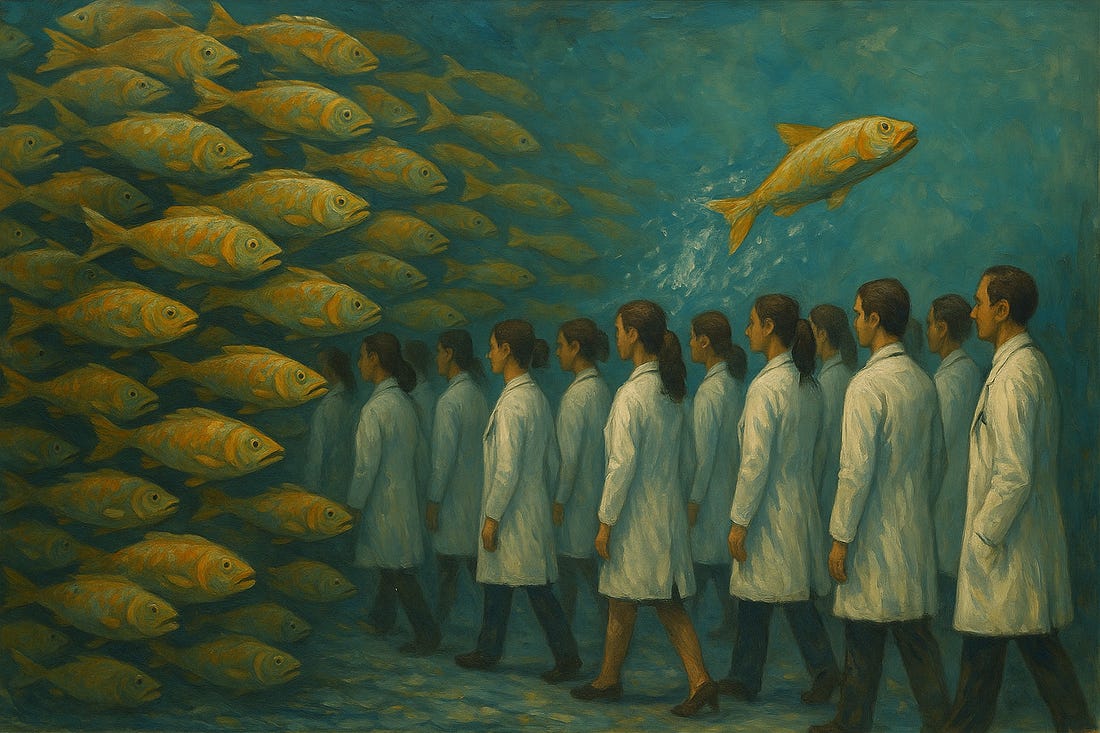
But in softer, more interpretive areas– especially those entangled with human behavior, hormones, or institutional consensus– medicine shifts. It gets personal, tribal, even theatrical. One moment, doctors are confidently headed in one direction; then comes a splash in the water– and the whole “school” veers. This isn’t clinical reasoning– it’s choreography, and fishy at that.
We call medicine an “art,” but that doesn’t excuse it from having structure. When medicine forgets it is grounded in science, it stops being either: good medicine or good science– let alone worthy art.
A Physician’s Unorthodox Path
My journey through medicine hasn’t followed the path most physicians walk. It’s been both more mundane and more surreal. I’ve practiced more hands-on primary care medicine—without mid-level clinicians—than any other MD in my circle (27 years running a solo outpatient office in a blue-collar town). I followed a simple principle: if you’re sick, come in; letting care come before coding (I also offered appointments).
A few years earlier, I’d stepped off the medical-academic track—turning down a Yale Psychiatry residency to spend a year doctoring in Calhoun County, West Virginia: a region of proud but impoverished, tradition-bound people, where time moved differently, and medicine meant earning trust across the chasm of an English spoken seemingly from different centuries (theirs from the previous).
Switching back and accepting a slot in Harvard-MGH’s Psychiatry, I found myself clashing with hierarchy and conformity, a theme that has dogged and defined much of my career. (For those interested, I tell the full story in On Becoming a Doctor, a chapter within my as-yet unpublished memoir.)
That restless streak—the refusal to go along just to get along—shaped everything that followed. I’ve questioned sacred cows, challenged orthodoxy, and paid dearly for it: a personally and professionally painful form of “no good deed goes unpunished”.
I have always believed that physicians (like attorneys) must serve the needs of the individuals enlisting them– not any institutional nor governmental directive (unless those happen to align). But in today’s system – far too often, the opposite has become the norm: medicine (perceptually and practically) genuflects to bureaucracies, to pharmaceutical incentives, and public health “narratives”– all wrapped in the sterile armor of “consensus”.
I’ve essentially never not said what I thought. That is the starting point for creating patient interactions’ comprising integrity; and shepherding a best pathway to health– or at the very least an accommodation to chronic disease. I practiced just outside of Boston, arguably a “medical mecca”; yet time and again, I saw patients emerge from these prestigious institutions utterly confused, unable to grasp what their physicians had explained: words spoken over the patient’s head, directed to medical students in tow. “Elite care” had failed the most basic test of communication.
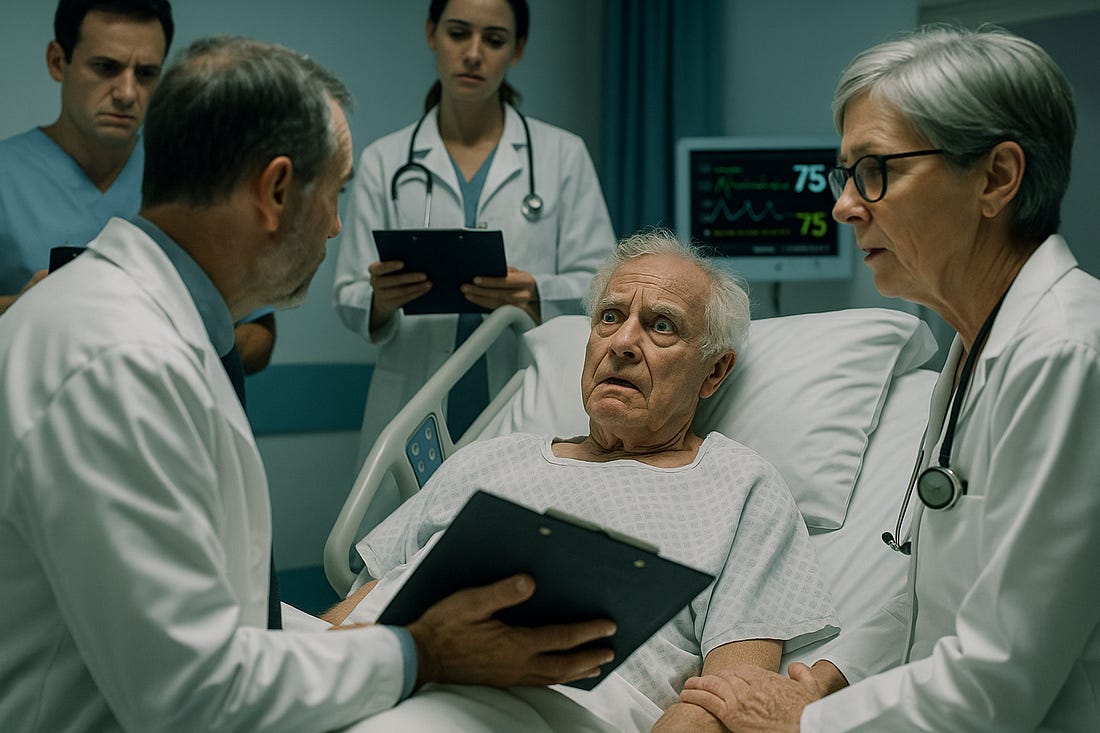
One episode that has stayed with me involves a brilliant, older family friend who had had a one-day bout of delirium, likely due to an infection. The hospital– Brigham, no less– quickly slotted him into a psychiatric pathway (albeit on a medical floor, but failed to obtain acutely the most basic of tests to rule out intercurrent infection); perhaps subtly branding him as just another doddering, demented elderly man. Various medical teams seemingly hadn’t bothered to ask the right questions or listen. They didn’t grasp that this man had been attending dinners and holding his own in conversations at the highest intellectual levels. He had a life, a mind, a voice– and they ignored all of it: seeing only the outer mask of an old man’s briefly spouting nonsense.
It wasn’t the hospital that called me in, but the family, who were rightfully alarmed that he was being dismissed and misunderstood. Unpaid and unofficial, I found a disjointed set of subspecialists’ drifting by like ships in the night, each pursuing its own protocol without any unified direction or clinical narrative– or cohesive “business plan”within the chart.
Shockingly, no blood cultures had been done. I had to push to get even a urine culture ordered. They weren’t curious, merely operating in silos: ticking off non-sequitur procedures; entirely missing (and never finding) the cause of his condition. I made multiple phone calls to each of the sub- branches (pleading for a concerted effort to find the cause of his acute delirium), but could never get them together on a conference call.
Fortunately, he recovered fully (because of – or despite this medical stay). His mind is sharp as ever (but for that one day).
This experience, among many others, crystallized my growing disillusionment with a medical system that too often prioritizes protocol over patients, pushing me to question not just clinical practices but the very institutions shaping them.
Challenging Medical Dogma
My Authority Magazine bio-interview sketches the outlines of regulatory injustices’ culminating in professional tragedy – and rebirth. I grew up in a financially struggling (five of us in a 1.5 bedroom apartment) but conversationally forthright household, where my parents sacrificed to send us to private school. Asking inconvenient questions in pursuit of truth is my way of paying them respect. That paradigm led to my exposing the shakily irrational underpinnings of Zika-microcephaly in my book Overturning Zika; to dissect the institutional and semantic inflation behind autism diagnoses in my Substack (praised by Dr. Robert Malone as a “treatise”); and to push back against both the COVID panic machine and the prevailing mythologies of addiction.
These seemingly disparate medical topics are not unrelated threads. They represent stories of how external factors distort medical theory. Public health today isn’t about your health: it’s about managing perception, maintaining hierarchy, and avoiding blame. This pattern of prioritizing ideology over evidence extends beyond addiction to other medical domains.
Rethinking Addiction: A Heretic’s Approach
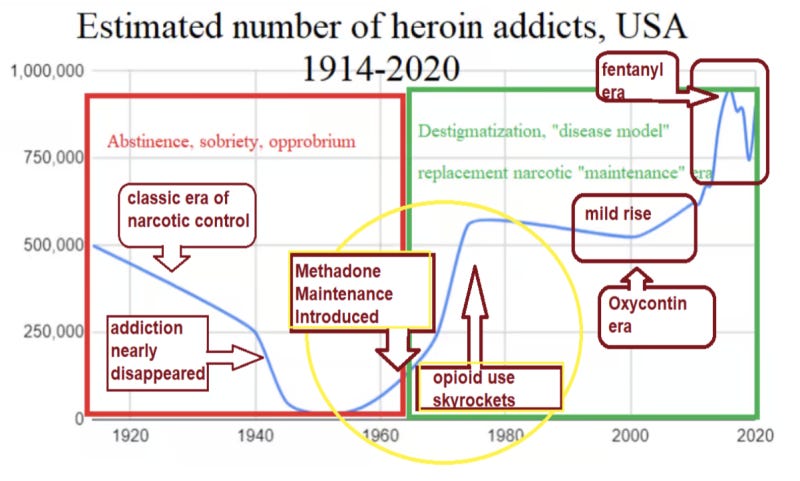
When I wrote that methadone maintenance had ignited (and continues to fan) the opioid crisis, I wasn’t merely guessing.
I had developed a successful, (multi-month-duration) slow-taper detox program– offering a pathway back to genuine sobriety, not a subscription to a lifetime of dependency, via replacement narcotics (whether methadone or Suboxone).
My patients came from all over New England– but mostly from poorer enclaves of Lynn, Chelsea, and Revere (and so often with stories sadder even than merely poverty: foster care, broken households, abuse). Many gave testimony to the joy at making progress in their lives rather than being treated with methadone clinics’ “soft bigotry of low expectations” that they would never be able to “get clean” completely. This was especially poignant on the occasion of women in early pregnancy who had begged and begged their methadone counselors and physicians to be allowed to taper to zero so they could avoid the mewling, tense, isolating detox that a methadone-babyendures on birth.
“When I first had her, she was really bad. Like, she had tremors real bad. It was the worst thing I could ever, ever see for an infant to be withdrawing.”KATIE (on methadone)
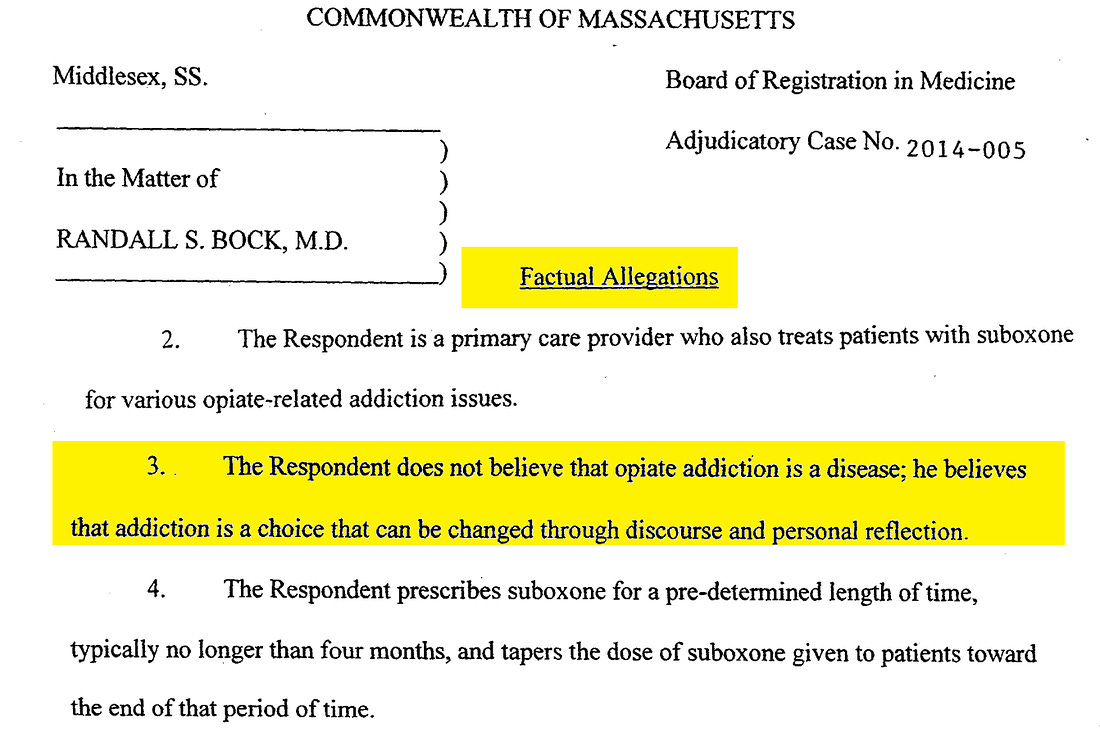
But the Massachusetts Board of Registration in Medicine (BORIM), led by proudly biasedDr. Candace Lapidus Sloane, didn’t see me as a physician committed to helping addicts reclaim their lives. It saw a heretic. My medical license was suspended, in part, based on testimony from a so-called “state expert” who never reviewed a single one of my patient charts. Moreover, she objected to my tapering narcotic addicts to sobriety (vs. “maintaining” them); while her own practice involved tapering benzodiazepine-addiction. Her entire argument amounted to quoting Nora Volkow and proclaiming, without a trace of irony, that addiction is “a brain disease by definition.” By definition (!?), that’s not science; it’s dogma.
To be fair, BORIM had its foot in the door via a patient complaint– a vindictive, vengeful, and entirely self-serving grievance from a narcotic addict who feared I might jeopardize his disability payments by helping him get sober. I never would have “snitched,” but that didn’t matter. He embellished and distorted his story, and BORIM took the word of a part-time heroin dealer over mine. It was a classic “he said, he said” (even though I had four witnesses on premises who had never noticed an untoward word from me nor any note of displeasure from him during his time in our office).
In retrospect, I was probably naïve. Maybe too self-assured. When the Board first opened an inquiry into me, I assumed its sage members would recognize that I was serious, conscientious, even thoughtful about addiction treatment. I had just finished writing Withdraw to Freedom: Navigating the Addiction Maze, which existed in manuscript form. I believed– wrongly– that reading it would reassure them. Instead, it had the opposite effect.
BORIM leadership treated the book as a smoking gun. My core sin? I didn’t believe addiction was a “disease.” The Board’s own summary got even that wrong: I didn’t merely propose “discourse and reflection.” I implemented a structured, taper-based treatment protocol from the outset—gradually reducing Suboxone over months, not just “toward the end.”
Patients came in grieving, broken, often self-destructive—and many left restored. Addiction isn’t Type I diabetes. People fall into despair and drug use, but they can climb back out. I saw it happen, repeatedly. Until I didn’t, 2014, my annus horribilis.
“Addiction is not a disease. We have a word for diseases– it’s diseases— and we have a word for addiction– it’s addiction. Changing the names of things may work for a moment, but ultimately the meaning catches up with them. People say, ‘Well, it is a disease because it changes your brain chemistry.’ Love changes your brain chemistry. Taking a walk in the woods changes your brain chemistry. That’s what the brain is: the brain is a router… for communicating spiritual truths to your physical body so you can experience them as a physical entity.”
That’s not denialism. That’s clarity. Addiction may be tragic, consuming, and complex– but so are many aspects of human behavior. Calling it a disease because it feels grave or because it changes the brain isn’t medicine. It’s theology in a lab coat; dogma dressed as science.
I don’t deny addiction’s complexity. But I reject its rebranding into a deterministic, pathological inevitability– as though relapse were as unpreventable as pancreatic cancer. Not every serious problem is a disease. Break your hip, and it might kill you– but we still call it an injury, a trauma, not a chronic illness.
The author of Naked Lunch (1959), William Burroughs– a dissolute scion of a wealthy family, muse to the Beat Poets, (in)advertent William Tell–wannabe wife-killer, and (of course!) a Harvard man– didn’t stumble into heroin addiction blindly. By his own account, he embraced it knowingly. Burroughs aptly called narcotic addiction a “disease of exposure.” It doesn’t arise spontaneously. It requires cultivation, distribution, and availability of the drug– “junk,” in his terms. Nobody in 1000 years of (not so Dark-) Middle Ages’ Europe suffered from heroin addiction. It didn’t exist. Some in Asia, where opium was prevalent, perhaps did. That makes narcotic addiction a condition with a historically and geographically contingent distribution– not a timeless biological disease.
Even today, addiction correlates more closely with trauma, alienation, idleness– and yes, bad choices: just like gambling, porn, or compulsive overeating– than with any pathogen or gene. And irony abounds: the same population, placed in different social and moral environments, can display wildly different addiction rates. The English and Scots-Irish stock of the Intermountain West, for instance, show nearly zero heroin addiction when Mormon, but substantial addiction rates when not. Likewise, heroin and opium abuse plagued a war-torn Southeast Asia, but plummeted when the same people– Vietnamese, Cambodian, Laotian– migrated to the U.S. and thrived in ways they never could back home. In Indochina, they were impoverished, but for opium crops – but never diseased at the molecular level. Addiction is not destiny. It is context.
Yet instead of treating narcotic addiction as a human condition (or even analogously to how it treats alcohol- or benzodiazepine- addictions: certainly with care and psychotherapy but with either abrupt or gradual detoxing completely away from the addicting substance), medicine decided (surprise!) to “medicalize” it– carving out a permanent revenue stream, wrapped in scientific jargon, enforced by regulation. I had challenged that model: arguing for autonomy; for tapering; for sober pregnancies’ leading to unaddicted babies; for personal agency; for treating the individual– not for extending dependency any longer than necessary under the guise of (a coincidently self-reimbursing) compassion. That stance put me squarely in the crosshairs.
Professional Exile and the Cost of Truth
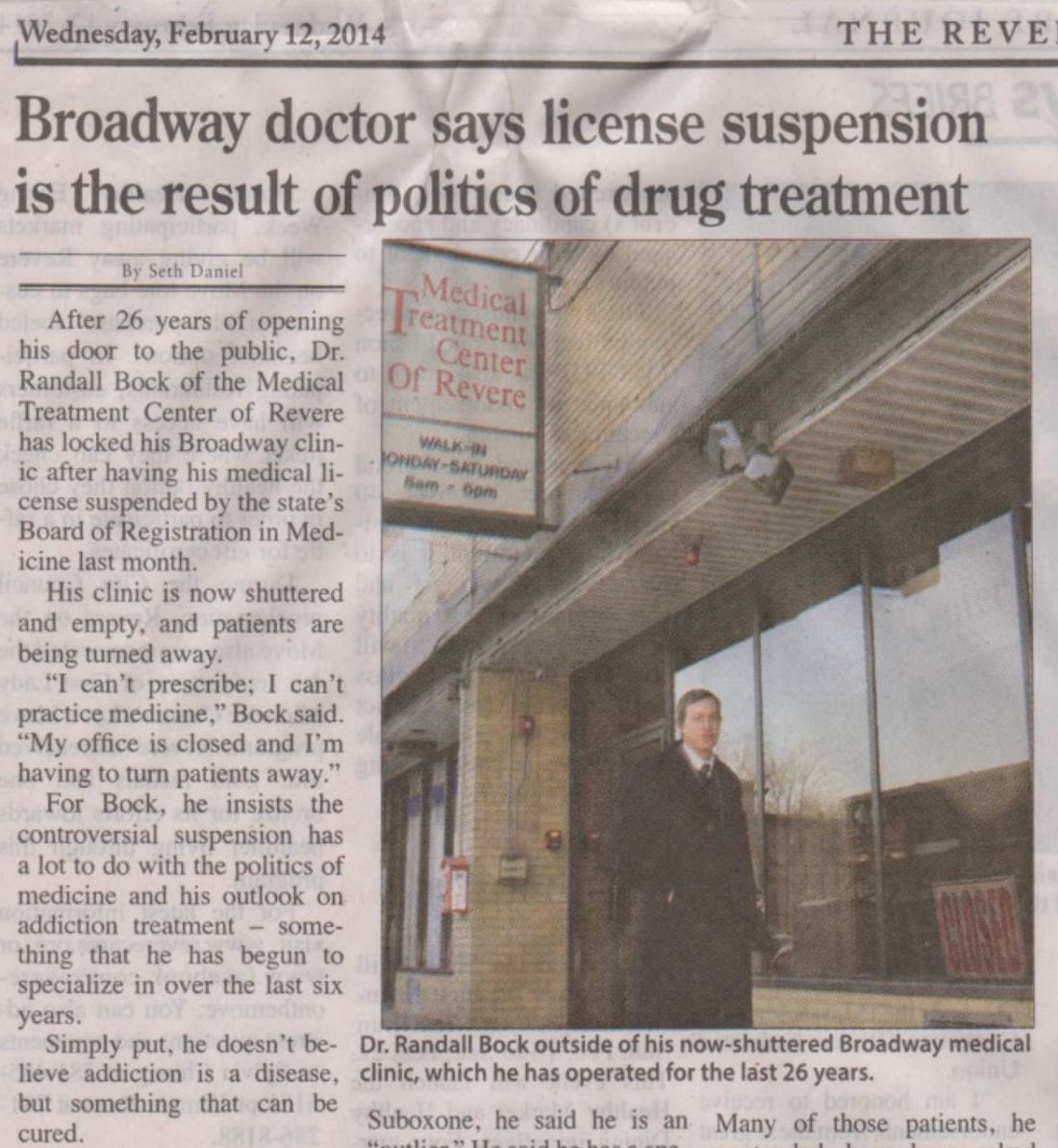
After I overturned the Board’s first suspension in court, it reinstated my license– and then immediately suspended it again. Not because I had harmed patients, but (arguably) because I was a threat to the model: refusing to endorse the “lifetime Suboxone subscription” racket that lines the pockets of addiction “specialists.” I fought back– again– and won. But the damage had been done: years of lost income; professional exile; endless legal forays and expenses; my beloved walk-in clinic shattered and shuttered.
“Regrets, I’ve had a few”: the upheaval my family was put through; a lack of realizing a Sword of Damocles’ looming within an ideologically-driven BORIM (but how could I have known?)– however, I don’t regret my thoughts, my imperatives, my theories, and (case-by-case) my actions. I am a (pre-Covid -era) victim of thinking freely (wrongthink thoughtcrime). Conversely, my docketed Supreme Court case advocates for medical free speech– and a reversal of politicization of medical boards.
Panic as Policy: Medicine’s Failure to Learn
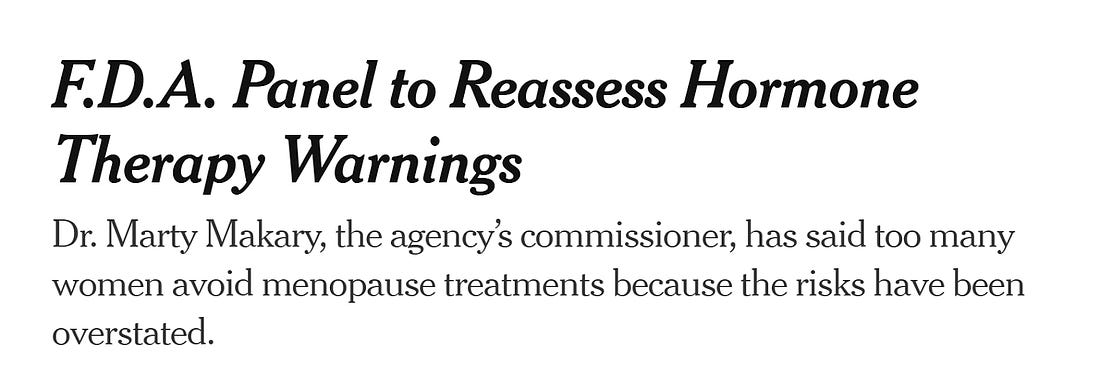
I see now that this pattern– of channeling physicians’ thoughts and actions through ideology rather than evidence– is everywhere. It’s not just addiction. It’s COVID. It’s autism. It’s Zika. It’s menopause. Remember Dr. Susan Love? A prominent breast surgeon with little clinical focus on hormone therapy, she helped spark a national panic over HRT in the 1990s. The ensuing hysteria– amplified by the media and medicine (via the 2002 Women’s Health Initiative (WHI) study, led by JoAnn Manson)– drove millions of women into abrupt, unmanaged menopause.
Dr. Manson two decades later called it“the most dramatic sea change in clinical medicine that I have ever seen.” Newsweek characterized the response as “near panic.”
Lost in that stampede was the simple truth: regular medical contact– especially for women on HRT– not only improved quality of life, but also enhanced early cancer detection and survival. The initial WHI findings, skewed by a cohort of older women well past menopause, ignored the benefits for younger women in early menopause– where the risks are lower, and the improvements in vitality, mood, and long-term health are significant.
It’s the same playbook we saw during COVID: a narrow risk in one demographic– exaggerated, universalized, and weaponized against everyone. The best course for the young was buried beneath panic meant for the old. We were told the science had spoken, when in fact it had only whispered– and been misheard.
They say history doesn’t repeat, but it rhymes. In modern medicine, it rhymes with silence, panic, and obedience. The fallout from that blind spot is only now being reversed. “Women live longer, feel better. The benefits are overwhelming”, said the FDA’s Dr. Marty Makary– just days ago.
“We” (in “Big Medicine„) should have known better, sooner. PS, I did – and I never changed my HRT-prescribing willingness throughout the 2000s and 2010s: as a lonely voice in the wilderness: treating individuals individually.
Big Medicine too often prefers consensus to truth. Same with autism. As I outlined in my essay Unraveling Autism’s Surge, the explosion in diagnoses isn’t just biology– it’s semantic. Funding, insurance codes, and shifting diagnostic categories, have fueled the surge in autism diagnoses. COVID followed a similar pattern, prioritizing catastrophe over calm, mandates over choice, and censorship over debate, dismissing the collateral damage– overdoses, shuttered businesses, educational collapse– as necessary.
A Call for Courage in Medicine and Beyond
What I’ve learned is this: we have too many experts, too few advocates.When O.J. Simpson went to court, he didn’t get a general counsel for society– he got lawyers just for him. We are far more innocent than he and we deserve the same and better: not groupthink; not population-level dictates. A physician (rightly) serves the patient, not the state, not the insurer, not the CDC. That was the ethic of my medical office. And for that, I was crushed.
Now, I’m still speaking out: through Brownstone; through Substack; through YouTube; through the courts, where I argued that licensing boards shouldn’t get a free pass to crush dissent under the guise of (a falsely-perceived sense of) “safety.” I’ve paid a price. But I’ve gained something more valuable: clarity.
The real public health crisis isn’t opioids, viruses, or autism. It’s cowardice. It’s the institutional refusal to say, “We were wrong.” And worse– it’s the power to punish those who do. If you’ve read this far, you already know what I mean. You’ve probably felt it. If so, I invite you to stand with me. Because the truth isn’t cheap– but it’s worth every sacrifice.
“The trouble is that …much of the application process isn’t built for honesty. Just as I once scrambled to demonstrate my fluency in D.E.I., students now scramble to script the ideal disagreement [civility test], one that manages to be intriguing without being dangerous.” Alex Bronzini-Vender
Why not admit students based on merit, and then teach them how to debate vigorously and disagree honorably? Civility has its place– on the bus, at the dinner table– but not as a gatekeeping metric for truth-seekers– and not on the debate stage whether real or metaphoric (and medical). Not when lies are on the line, personally and societally. But that’s the direction we’re heading. DEI initiatives, peer enforcement of ideological etiquette, and a shift away from academic rigor toward enforced emotional consensus are eroding the very foundations of intellectual independence.
We need a generation of physicians– and thinkers– trained not in compliance, but in courage. The future of medicine, and of liberty itself, depends on it. But liberty is eroding fast. In the UK, the benignly named Online Safety Bill grants bureaucrats sweeping authority to censor speech online in the name of “protection.” In reality, it’s protection for power– protection from dissent. Echoing Elon Musk, Hananya Naftali noted, “They don’t ban hate speech. They ban speech they hate.”
When we can no longer tell the truth– about medicine, about biology, about addiction, about risk then all we have left are narratives. And those who challenge the narrative become the enemy. We must continue with clarity, courage, and a commitment to serving the individual– not the system. That is the only path forward. The only oath that matters.