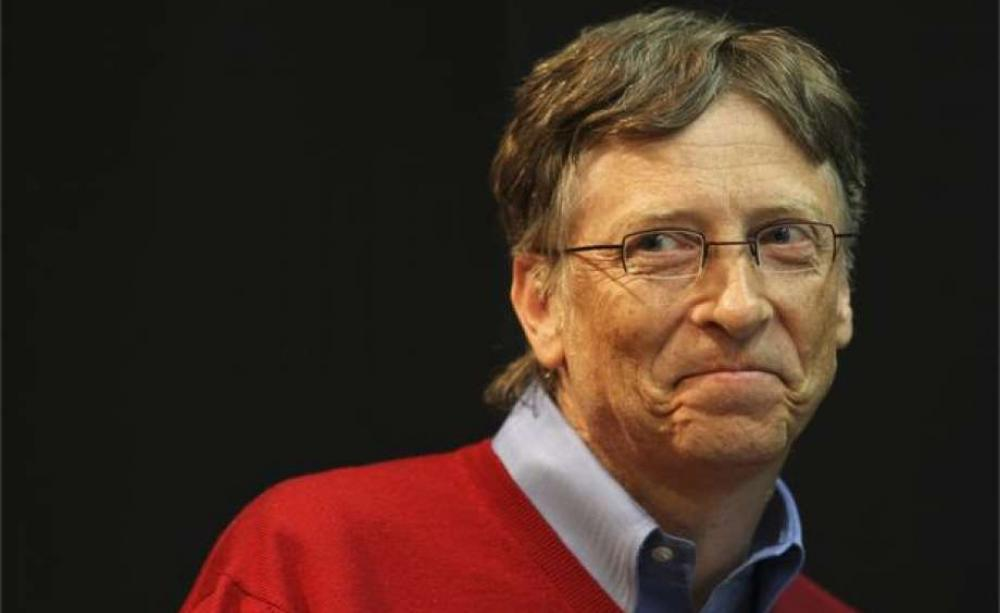
Bill Gates – ekspert od apokalipsy – twierdzi, że nadszedł czas, by wpaść w panikę z powodu sztucznej inteligencji. Ma jednak rozwiązanie.
Bill Gates się martwi. O nas. Oczywiście. Ten ekspert od wszystkiego wyjaśnia teraz, jak możemy uchronić się przed sztuczną inteligencją.
W skrócie: wyższe podatki, większa kontrola centralna, instytucje ponadnarodowe.Źródło.
Dawniej, jego największym zmartwieniem było finansowanie biednych krajów w celu zaopatrzenia je w cudowny eliksir wytwarzany przez jego firmy, zwalczający wspieraną przez niego straszliwą pandemię. Finansowanie, naturalnie nie z jego prywatnych funduszy, ale z podatków bogatszych krajów.
To się nazywa filantropijna solidarność! Szczególnie kiedy jego majątek wzrósł dzięki temu o wiele kolejnych miliardów dolarów.
Dwa badania dotyczące szczepionek przeciwko COVID-19, obejmujące 8,7 MILIONA osób, potwierdzają, że Fauci i Gates zaszczepili świat rakiem:
Rak piersi: +54% Rak prostaty: +69% Rak płuc: +53% Rak pęcherza moczowego: +62% Rak jelita grubego: +35% Rak żołądka: +34% Rak tarczycy: +35%
Kolejny produkt firmy Microsoft, który jest pełen wirusów.
Największym zmartwieniem filantropa jest niezadowalające tempo sukcesów jego eugenicznych działań. Zadziwił swoich fanów – tak tych ciągle jeszcze nie brakuje – pisząc komunikat o zagrożeniach ze strony sztucznej inteligencji.
Założyciel Microsoftu, miliarder i założyciel, jest bardzo zaniepokojony sztuczną inteligencją. Martwi się o nasze miejsca pracy, nasze rodziny, naszą zdolność do myślenia i wnioskowania w tej sprawie, a także oczywiście o to, jak sztuczna inteligencja wpłynie na jego cenną narrację o zmianach klimatu. Najwyraźniej nie przejmuje się swoją własną historią katastrofisty państwa opiekuńczego.
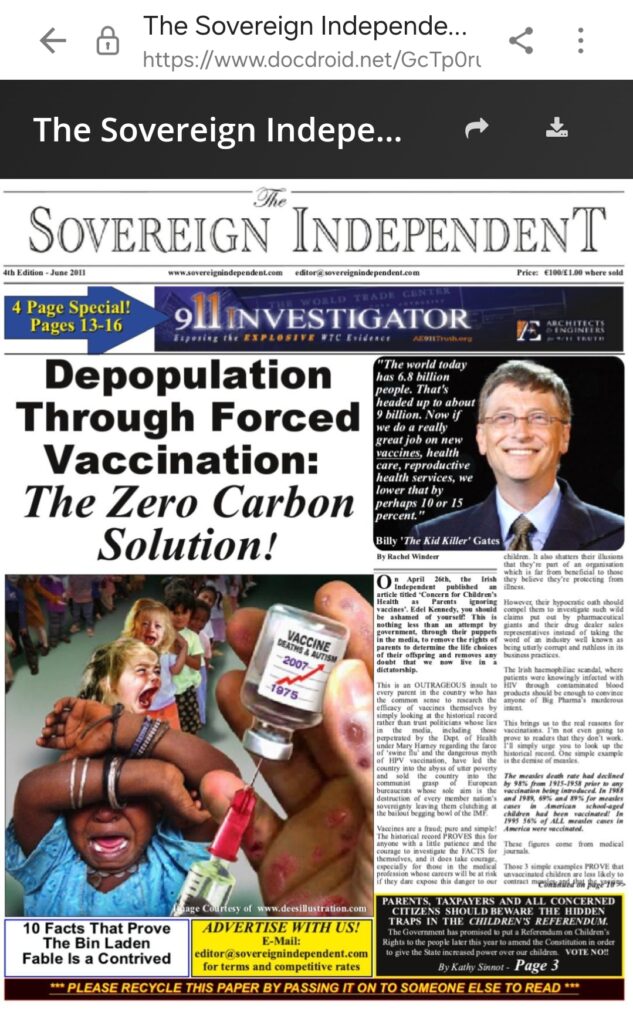
Ludzie są niewdzięczni. Tyle pieniędzy poświęcił (czytaj: ukradł) dla dobra ludzkości, tyle wysiłków, by ułatwić zejście ze świata zbędnym pasożytom, za których uważa biednych ludzi. Nawet takie projekty jak masowa aborcja szczepionkami nie zostały docenione w Indiach i w Afryce. Takim „dobroczyńcom” zawsze jest ciężko w życiu i muszą nawet doszkalać swoich pracowników ochrony w rozpoznawaniu słodkich zagrożeń jak te na powyższym filmie.
Gates powiedział, że jego zainteresowanie Epsteinem wynikało z tego, co teraz określa jako błędne przekonanie, że powiązania finansisty z zamożnymi osobami mogą pomóc w pozyskiwaniu funduszy na globalne inicjatywy zdrowotne. Nazwał tę ocenę „gigantycznym błędem” i przeprosił za przypisanie Epsteinowi wiarygodności.
W ten sposób Bill Gates – mistrz niewinności domniemanej – wytłumaczył wczoraj swoje niefortunne kontakty z Epsteinem. Źródło.
Autor artykułu Marek Wójcik Mail: worldscam3@gmail.com
Wagadugu – Podczas gdy zachodnie fundacje, firmy biotechnologiczne i globalne organizacje ochrony zdrowia od lat postrzegają Afrykę jako poligon doświadczalny dla nowych technologii, Burkina Faso podjęło teraz radykalny krok. Rząd prezydenta Ibrahima Traoré nakazał zamknięcie wszystkich laboratoriów zaangażowanych w kontrowersyjny projekt z wykorzystaniem genetycznie modyfikowanych komarów. Pozostałe próbki mają zostać zniszczone, a badania przerwane.
Oznacza to koniec projektu, który był realizowany przez ponad dekadę z udziałem „społeczności międzynarodowej” i który wywołał na całym świecie zażarte debaty na temat biotechnologii, kontroli i suwerenności Afryki.
Projekt „Malaria docelowa”
W centrum kontrowersji znajduje się projekt „Target Malaria”, wspierany między innymi przez Fundację Billa i Melindy Gatesów. Jego celem było opracowanie genetycznie modyfikowanych komarów do walki z malarią.
Pomysł jest taki, aby wypuścić zmodyfikowane samce komarów, które wpłyną na rozmnażanie populacji, a w dłuższej perspektywie ograniczą liczbę owadów przenoszących malarię.
Zwolennicy projektu okrzyknęli go przełomem naukowym w walce z chorobą, która według WHO zabija setki tysięcy ludzi rocznie.
Krytycy uznali go jednak za eksperyment wysokiego ryzyka o niejasnych konsekwencjach dla ekosystemów, bioróżnorodności i długoterminowej stabilności biologicznej.
„Afryka nie jest laboratorium na świeżym powietrzu”
Decyzja rządu Traoré jest interpretowana w wielu afrykańskich i alternatywnych mediach jako sygnał sprzeciwu wobec zdominowanych przez Zachód programów technologicznych i zdrowotnych.
Głosy bliskie rządowi oskarżały podmioty międzynarodowe o coraz częstsze traktowanie państw afrykańskich jako poligonów doświadczalnych dla technologii, które w Europie i Ameryce Północnej byłyby o wiele bardziej kontrowersyjne politycznie. W szczególności uwalnianie organizmów genetycznie modyfikowanych poza kontrolowanymi laboratoriami jest przez wielu krytyków uważane za „czerwoną linię”.
Ten środek wpisuje się w szerszy kurs polityczny Ibrahima Traoré, który od czasu dojścia do władzy coraz bardziej koncentruje się na kontroli państwa, niezależności gospodarczej i dystansowaniu się od wpływów Zachodu. Jego rząd coraz częściej prezentuje się jako kontr-model dla dekad zależności od zachodnich organizacji pozarządowych, partnerstw wojskowych i międzynarodowych struktur rozwoju.
Debata wokół Gatesa i globalnych sieci wpływów
Fundacja Gatesa od lat znajduje się w centrum gorących debat na temat wpływu prywatnych fundacji miliarderów na globalną politykę zdrowotną. Krytycy argumentują, że kilku potężnych finansowo aktorów może wywierać znaczący wpływ na biedniejsze kraje poprzez programy szczepień, projekty rolnicze, biotechnologię i priorytety badawcze.
Zwolennicy wskazują natomiast, że wiele z tych programów nie byłoby możliwych bez międzynarodowego finansowania i że miliony ludzi korzystają z projektów dotyczących malarii, szczepień i zdrowia.
Jednak, zwłaszcza w Afryce, rośnie opór wobec modeli, w których organizacje zewnętrzne określają rozwiązania technologiczne, podczas gdy miejscowa ludność ma często tylko ograniczony wpływ na decyzje.
Strach przed nieobliczalnymi konsekwencjami
Kwestia potencjalnych długoterminowych konsekwencji genetycznie modyfikowanych owadów pozostawała szczególnie kontrowersyjna. Krytycy od lat ostrzegali, że ingerencje w złożone ekosystemy mogą mieć nieprzewidziane konsekwencje.
Co się dzieje, gdy zmiany genetyczne rozprzestrzeniają się w sposób niekontrolowany? Jaki wpływ miałaby drastyczna zmiana lub redukcja populacji owadów na łańcuchy pokarmowe, zwierzęta lub rolnictwo? I kto ostatecznie ponosi odpowiedzialność w przypadku wystąpienia nieoczekiwanych szkód?
Wiele z tych pytań do dziś budzi kontrowersje zarówno naukowe, jak i polityczne.
Sygnał geopolityczny wykraczający daleko poza Burkina Faso
Zamknięcie laboratoriów prawdopodobnie zostanie odebrane na arenie międzynarodowej jako poważny cios dla projektu. Jednocześnie Burkina Faso wysyła polityczny sygnał całemu Globalnemu Południu: państwa coraz bardziej chcą samodzielnie decydować, które technologie są wykorzystywane na ich terytorium, a które nie.
Proces ten pokazuje również, że linie frontu geopolitycznego ulegają zmianie. Podczas gdy zachodnie rządy i fundacje przedstawiają rozwiązania technologiczne jako jedyną opcję, w niektórych częściach Afryki rośnie nieufność do programów kontrolowanych z zewnątrz.
Dla wielu zwolenników Traoré decyzja ta oznacza zatem coś więcej niż tylko przerwanie projektu badawczego. Jest ona postrzegana jako symbol nowej afrykańskiej pewności siebie – i odrzucenia porządku świata, w którym decyzje dotyczące polityki technologicznej i zdrowotnej zapadają głównie poza Afryką.
High-level international banking officials and organizations gathered last month for a global “war game” exercise simulating the collapse of the global financial system. The tabletop exercise was reminiscent of “Event 201,” the pandemic simulation exercise that took place just before COVID-19 entered the global scene.
High-level international banking officials and organizations last month gathered in Israel for a global “war game” exercise simulating the collapse of the global financial system.
The tabletop exercise was reminiscent of “Event 201” — the pandemic simulation exercise that took place in October 2019, shortly before COVID-19 entered the global scene.
The “Collective Strength” initiative was held for 10 days, beginning Dec. 9, 2021, at the Israeli Finance Ministry in Jerusalem. It was relocated to Jerusalem from the Dubai World Expo over concerns about the Omicron variant.
Israel led a 10-country contingent that also included treasury officials from the U.S., Austria, Germany, Italy, the Netherlands, Switzerland, Thailand and the United Arab Emirates.
Representatives from supranational organizations, such as the International Monetary Fund (IMF), World Bank and Bank of International Settlements (BIS), also participated.
Described as a simulated “war game,” the exercise sought to model the response to various hypothetical large-scale cyberattacks on the global financial system, including the leaking of sensitive financial data on the “Dark Web,” hacks targeting the global foreign exchange system, and subsequent bank runs and market chaos fueled by “fake news.”
However, the main theme of “Collective Strength” appears not so much the simulation of such cyberattacks but, as the name of the initiative implies, the strengthening of global cooperation in cybersecurity and the financial sector.
As reported by Reuters, participants in the simulation discussed multilateral responses to a hypothetical global financial crisis.
Proposed policy solutions included debt repayment grace periods, SWAP/REPO agreements, coordinated bank holidays and coordinated delinking from major currencies.
The idea of simulated delinking from major currencies raised some eyebrows because of its timing — on the same day participants gathered to launch “Collective Strength,” reports circulated that the Biden administration was considering removing Russia from the global electronic-payment-messaging system known as SWIFT, short for Society for Worldwide Interbank Financial Telecommunication.
This measure would be part of a package of economic sanctions the U.S. would levy against Russia should it attack Ukraine.
However, what may raise even more eyebrows is the list of participants in the “Collective Strength” simulation, which includes: the IMF and World Bank, and indirectly, the World Economic Forum (WEF).
It was the WEF, along with the Bill & Melinda Gates Foundation and the Johns Hopkins Bloomberg School of Public Health, which ran the simulated “Event 201” in October 2019.
As previously reported by The Defender, the WEF also supported the development of financial instruments, such as credit and debit cards, that would track “personal carbon allowances” on an individualized basis.
An executive summary issued in November 2020 by the Carnegie Endowment for International Peace, in collaboration with the WEF, provided a rundown of just the type of scenario that was simulated as part of “Collective Strength.”
The report’s authors, Tim Maurer and Arthur Nelson, described a world whose financial system is undergoing “an unprecedented digital transformation … accelerated by the coronavirus pandemic.”
In such a world, the authors argued, “cybersecurity is more important than ever.”
Describing protection of the global financial system as an “organizational challenge,” the report pointed out there is no clear global actor in charge of protecting the global financial system or its digital infrastructure.
The executive summary went so far as to describe a “disconnect between the finance, the national security and the diplomatic communities.”
The solutions identified by Maurer and Nelson included:
The need for “greater clarity” regarding roles and responsibilities
Bolstering international cooperation
Reducing fragmentation and increasing “internationalization” among “siloed” financial institutions
Developing a model that can then be used in unspecified “other” sectors.
But which “other” sectors?
This set of recommendations was classified by the authors in their report under “Digital Transformation: Safeguard Financial Inclusion.”
One such recommendation reads as follows:
“The G20 should highlight that cybersecurity must be designed into technologies used to advance financial inclusion from the start rather than included as an afterthought.”
BUY TODAY: Robert F. Kennedy, Jr.’s New Book — 'The Real Anthony Fauci’
Technology that is “used to advance financial inclusion from the start” would appear to include digital “health passports” and accompanying “digital wallets.”
It also seems to be aligned with the United Nations’ Sustainable Development Goals — in particular, Goal 16.9, which calls for the provision of a digital legal identity for all, including newborns, by 2030.
Goal 16.9 also brings to mind the European Union’s insistence that its vaccine passport, the so-called “Green Pass,” which is used in numerous European countries to bar the unvaccinated and those with natural immunity from all sorts of public and private spaces, protects individuals’ privacy.
In a further connection between two distinct issues — security of the global financial system and public health — the GAVI Vaccine Alliance called for “innovations that leverage new technologies to modernize the process of identifying and registering the children who are most in need of life-saving vaccines.”
However, the use of these technologies would not stop with registering childhood vaccinations. GAVI described potential uses of these “new technologies” as encompassing “access to other services,” including the broadly defined “financial services.”
The authors of the Carnegie Endowment executive summary mirrored their proposals in a spring 2021 article that appears on the IMF’s website, although issues of “financial inclusion” are left out.
While the two authors of the Carnegie report, and the participants in the “Collective Strength” initiative, emphasize the need for the financial system and its digital data to be better protected, it remains unclear how a continued transformation toward a fully digital, cloud-based environment can indeed be considered “secure.”
Consider, for instance, the following remark by Micha Weis, financial cyber manager at the Israeli finance ministry, in reference to “Collective Strength”: “[a]ttackers are 10 steps ahead of the defender.”
Such words don’t offer much comfort to those who are already wary of “FinTech,” or the increasing proximity between “Big Tech” and “Big Finance.”
Similarly, yet another “simulation” of a large-scale and destructive global catastrophe will, for some, bring back recollections of “Event 201” and what followed thereafter — infamously described on March 20, 2020, by then-U.S. Secretary of State Mike Pompeo as a “live exercise.”